


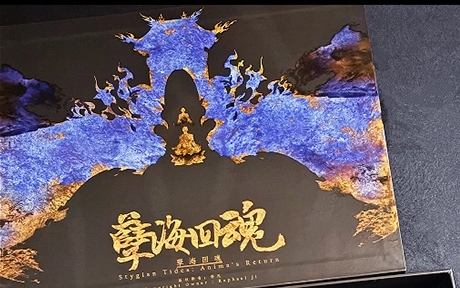
Stygian Tides: Anima’s Return
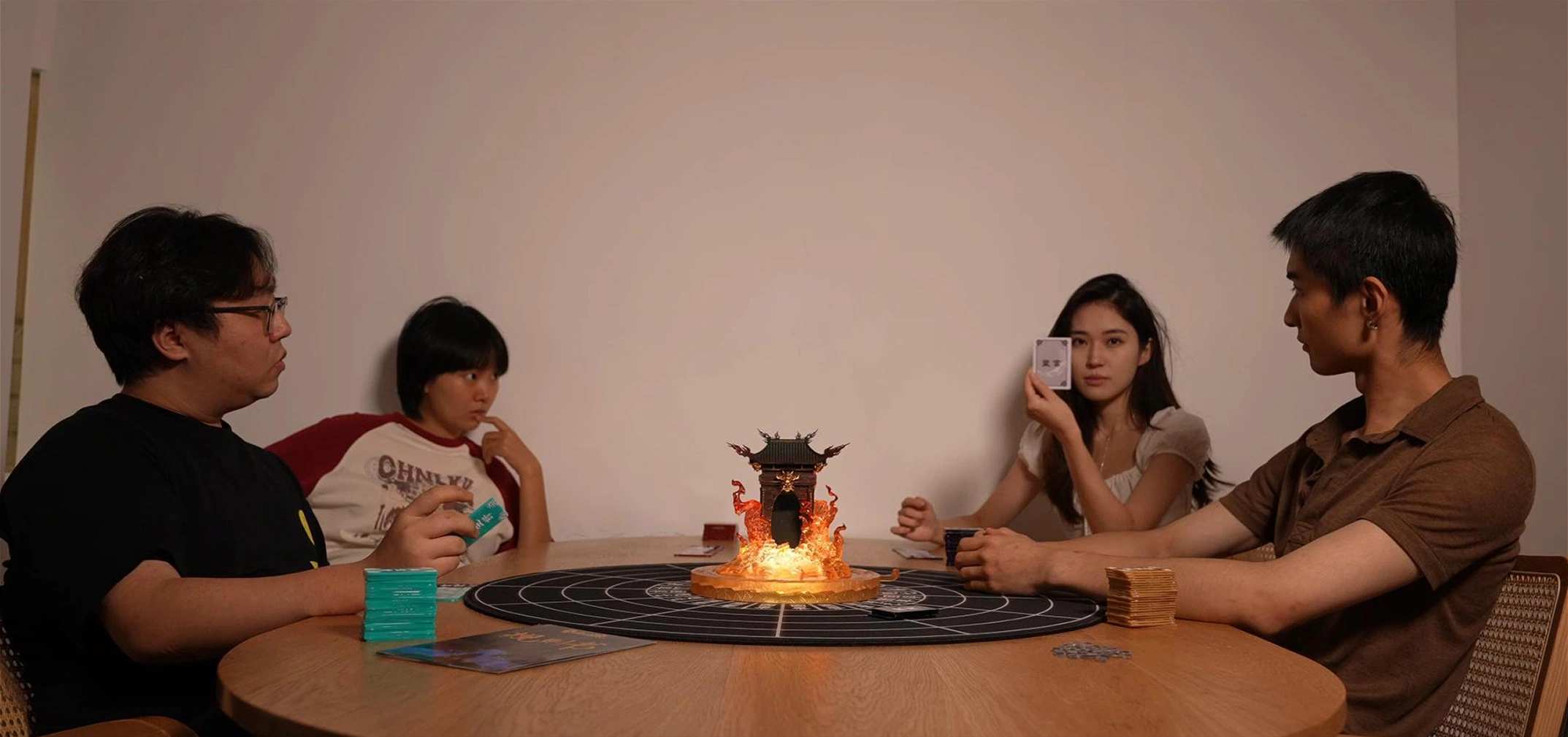
Anima’s Return is a narrative tabletop game about psychological healing and soul redemption. Players reflect on their past lives before the Mirror of Sin, atoning for their deeds to achieve self-reconciliation. Inspired by Chinese beliefs in the “Ten Courts of Yama” and the “Three Souls and Seven Spirits,” the game blends cultural storytelling with therapeutic reflection, creating a counseling experience without a therapist.
4 players · 60+ minutes · Ages 12+
Inspiration
I want to create a tabletop game that turns “storytelling” into a form of psychotherapy, enabling players to achieve self-awareness through fictional life narratives. Each action in the game becomes an experience of being heard and an externalization of inner emotions.
Background
Four players each take on the roles of wandering spirits trapped by their obsessions, drifting through the mortal world as their memories of past lives gradually fade. You are one of these lost souls. Today, two underworld envoys escort you to a grand hall. The waters of the Stygian Tides roar endlessly, and before you stands a massive ancient mirror inscribed with the words: “Before the Mirror of Sin, none are righteous!” Your ghostly reflection appears within the mirror as the sins of your past life slowly surface. Here, players must recall the deeds of their former selves, atone for their transgressions, and resolve their karmic ties in order to reincarnate and begin a new life.
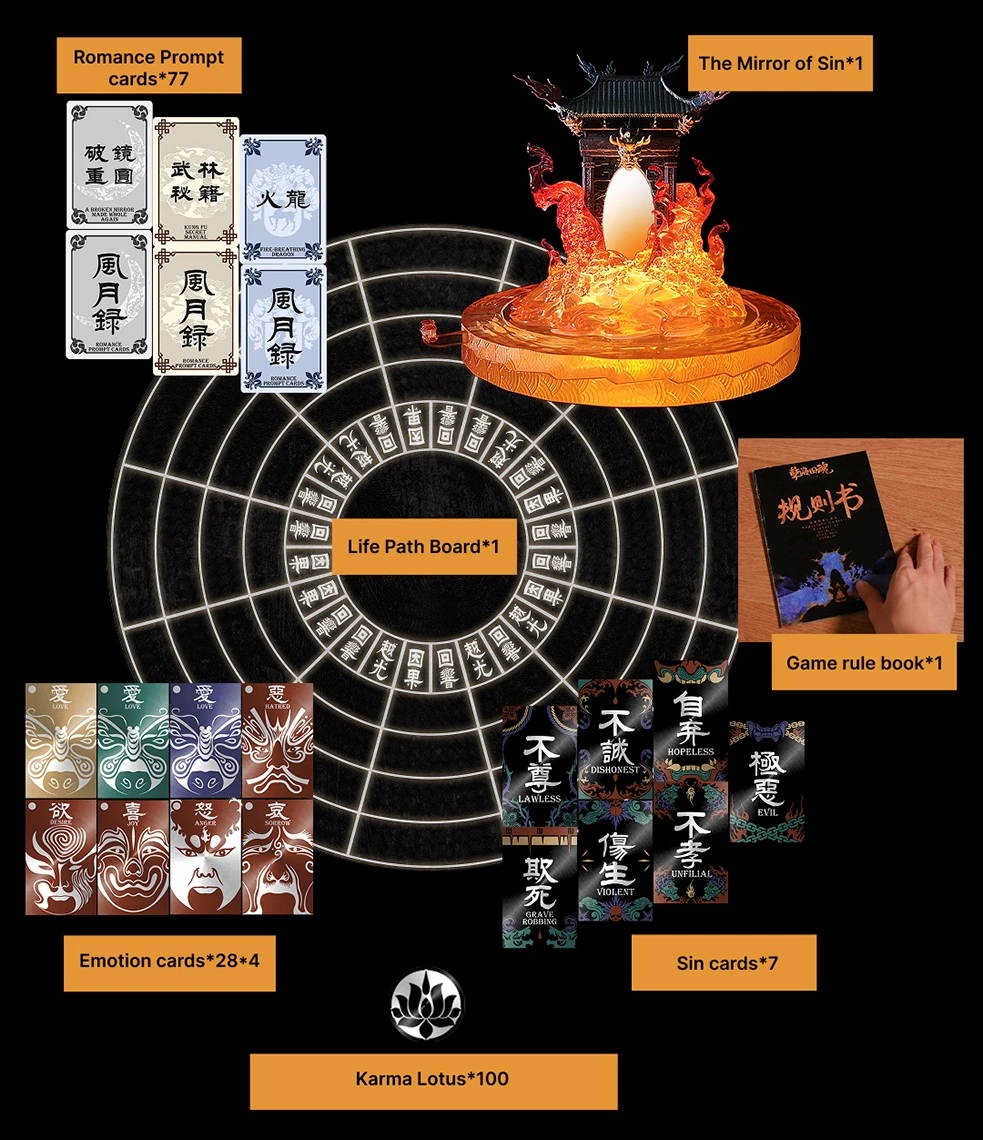
Game components
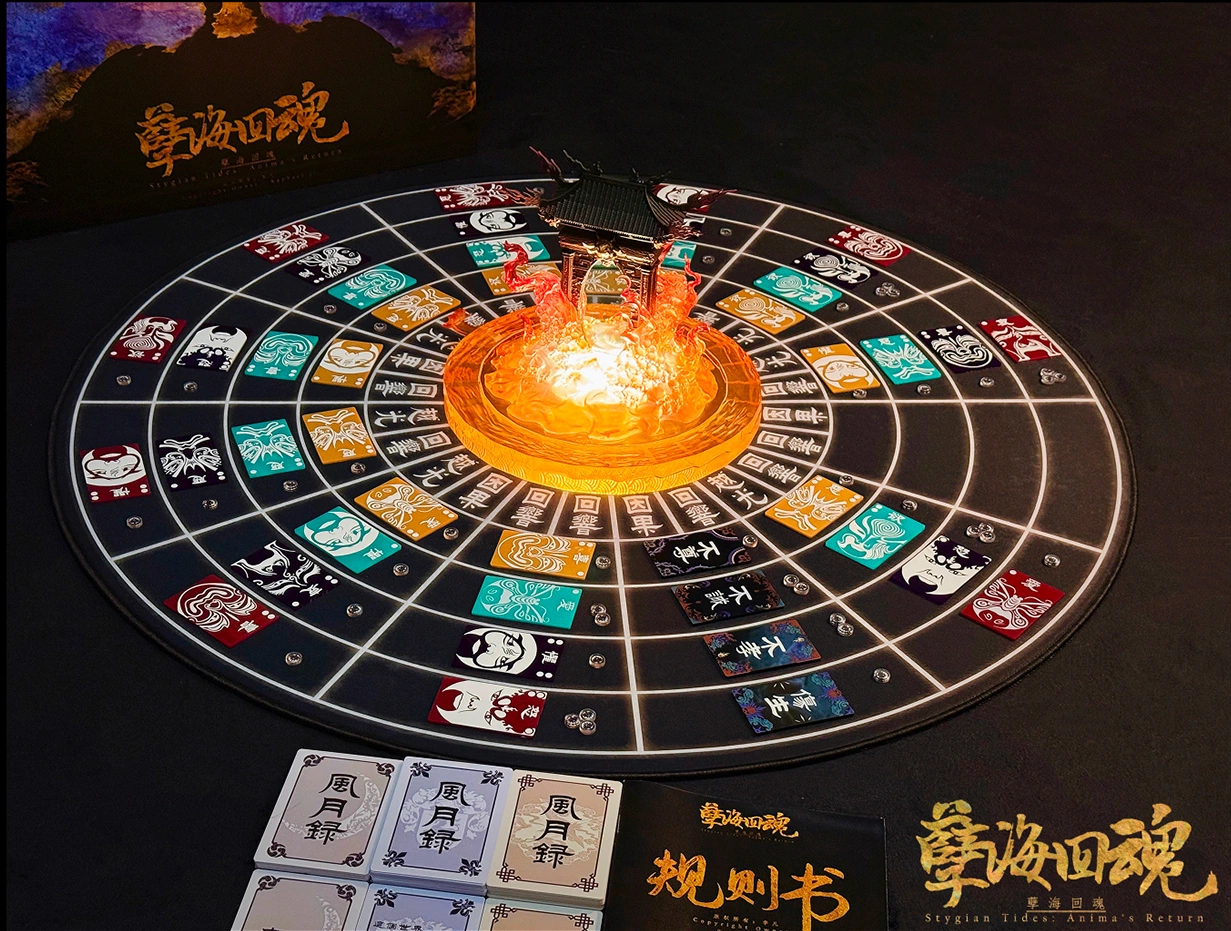
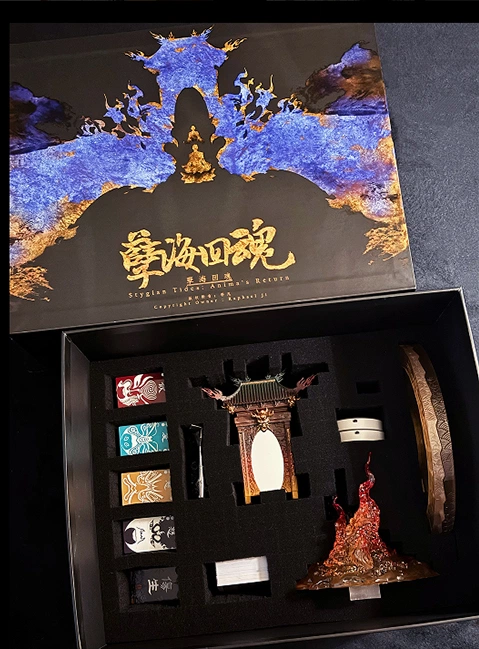
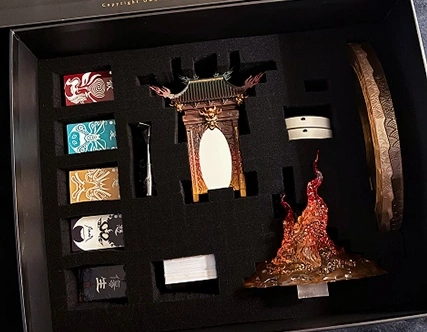
Romance Prompt cards × 77 · The Mirror of Sin × 1 · Life Path Board × 1 · Game rule book × 1 · Emotion cards × 28 + 4 · Sin cards × 7 · Karma Lotus × 100
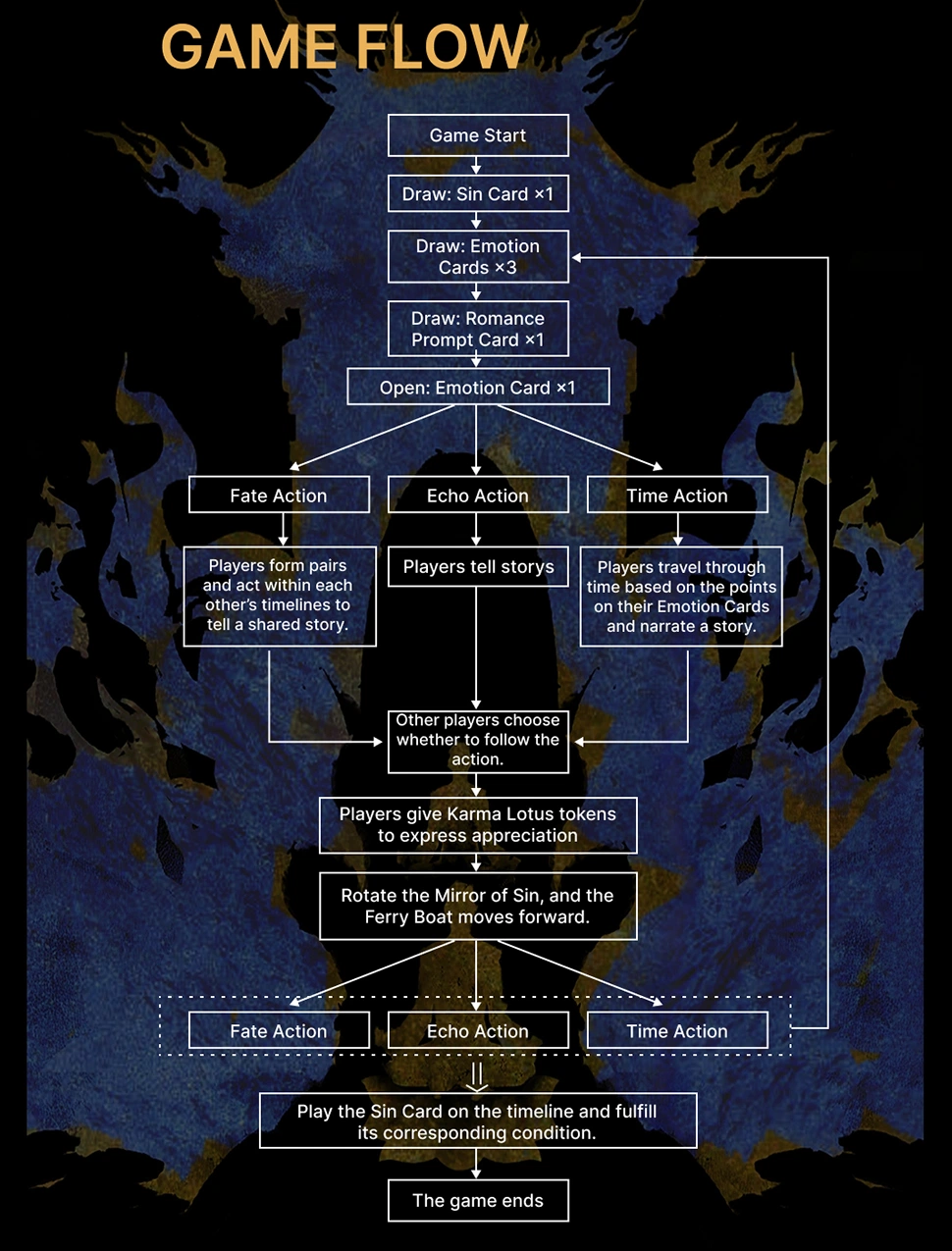
Game flow
Draw one Sin Card, three Emotion Cards and one Romance Prompt Card. Reveal an Emotion Card to begin a Fate, Echo or Time action. Other players decide whether to join the story, then give Karma Lotus tokens in appreciation. Rotate the Mirror of Sin, advance the ferry and repeat. Playing the Sin Card on the timeline and fulfilling its condition ends the game.
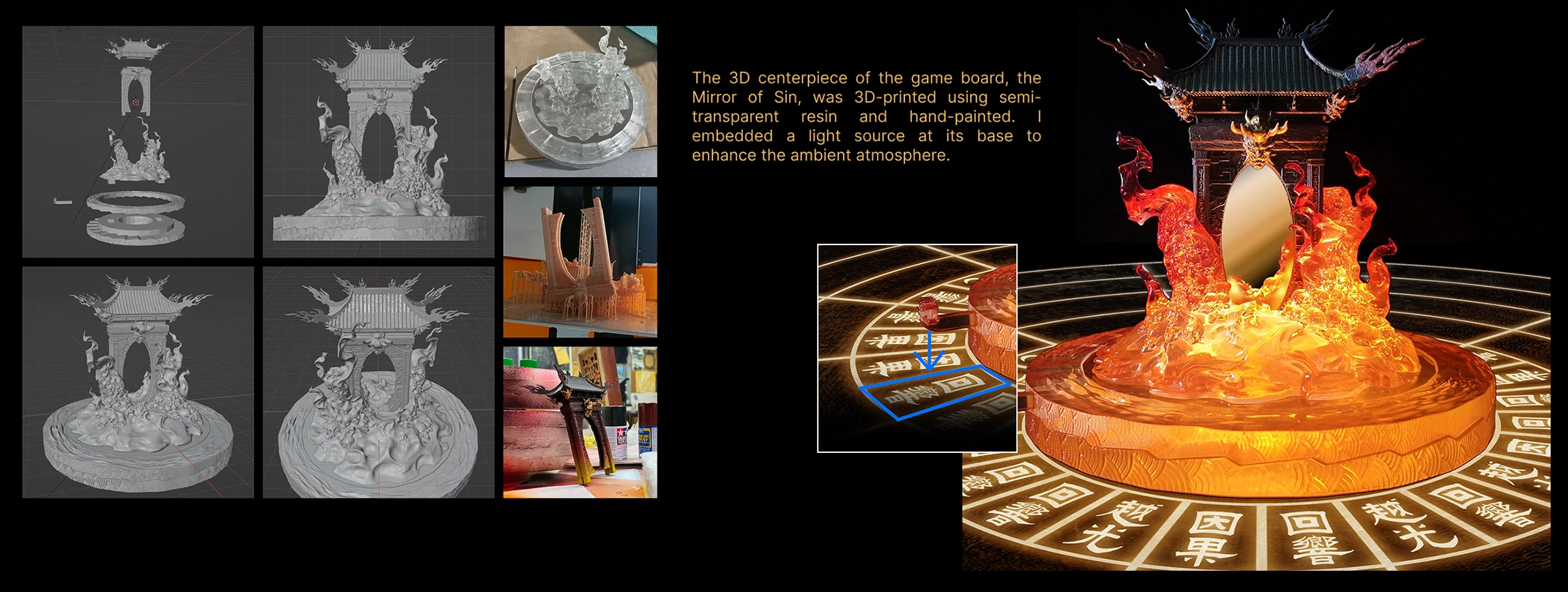
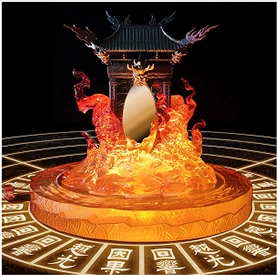
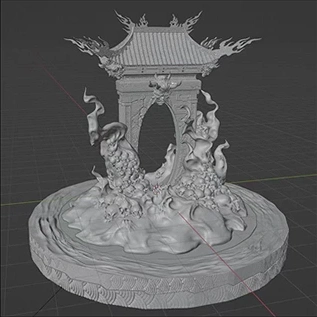
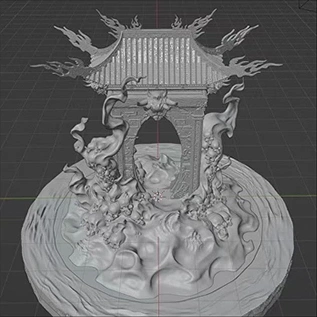
The Mirror of Sin installation
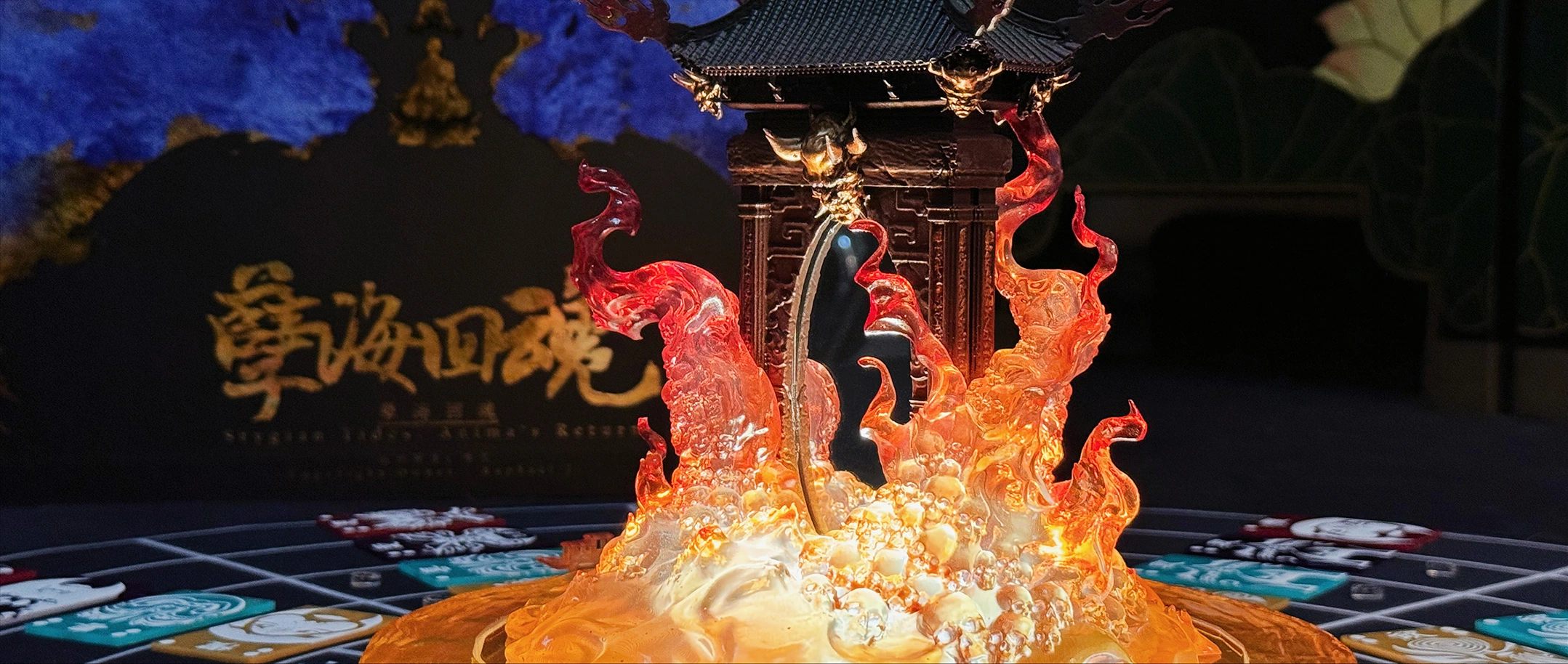
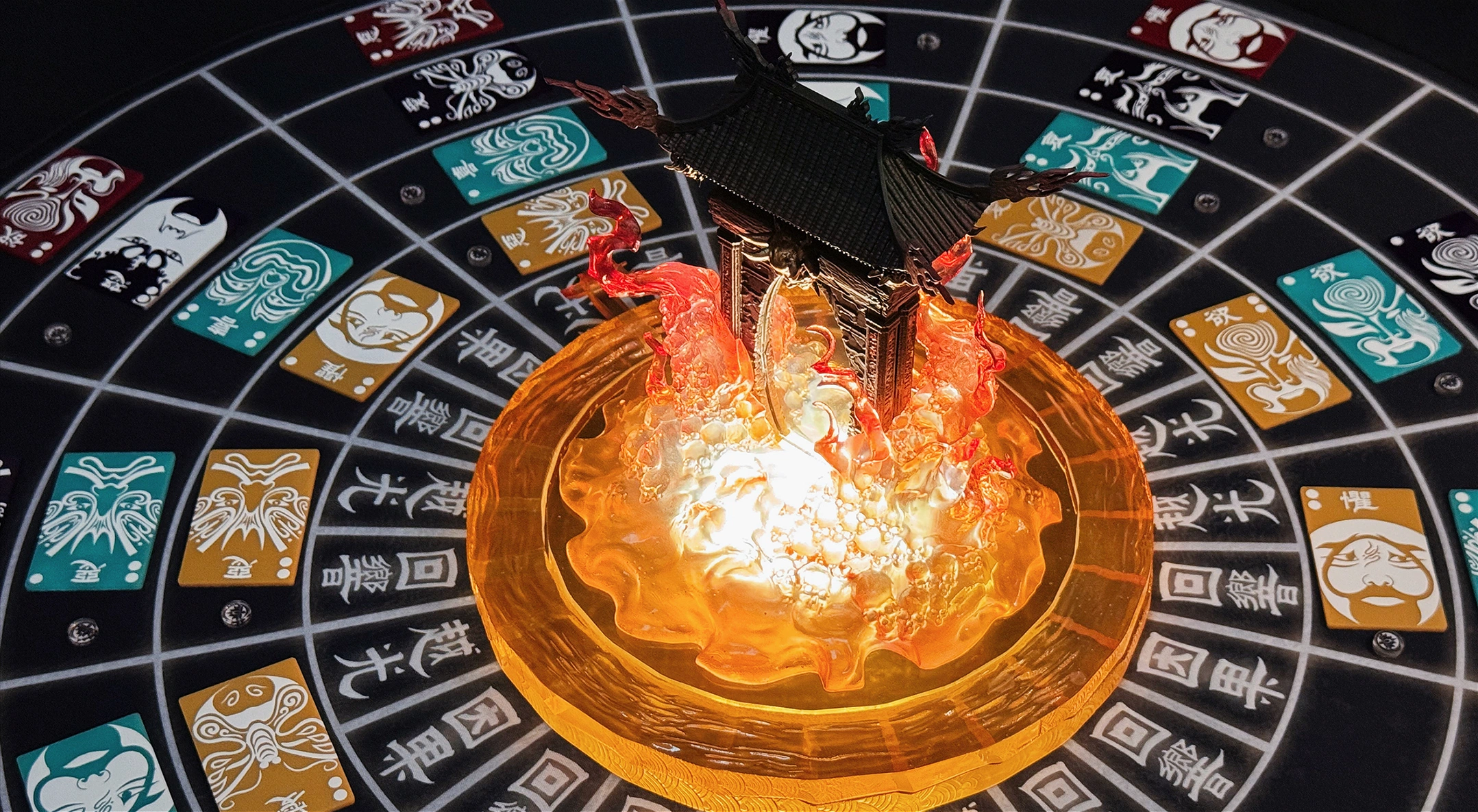
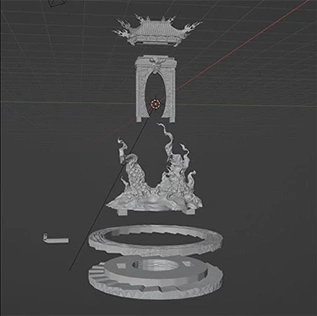
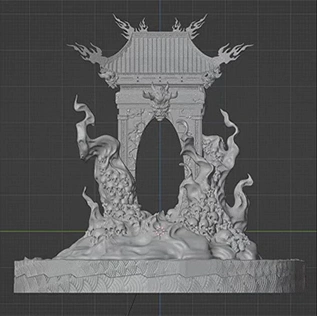
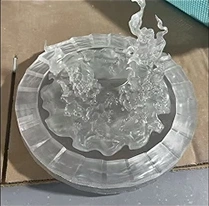
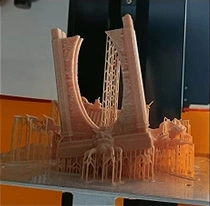
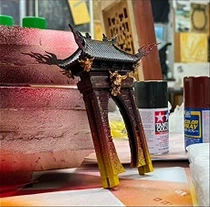
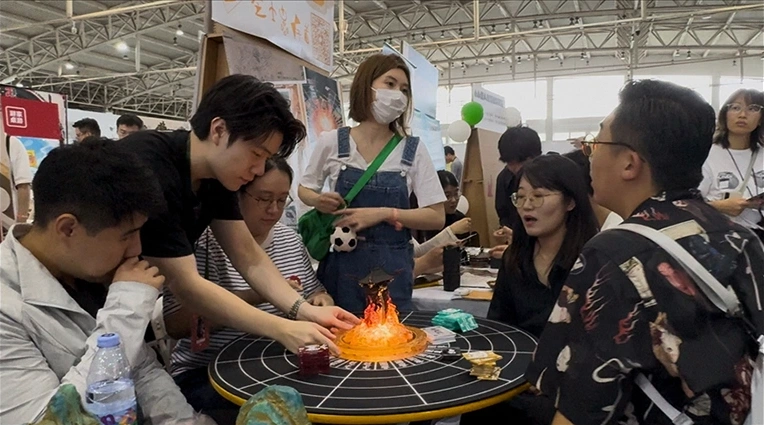
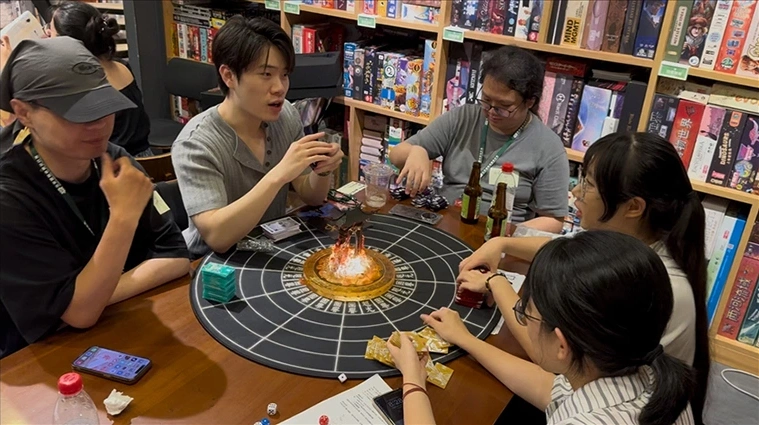
The 3D centerpiece of the game board, the Mirror of Sin, was 3D-printed using semi-transparent resin and hand-painted. I embedded a light source at its base to enhance the ambient atmosphere.
Card design
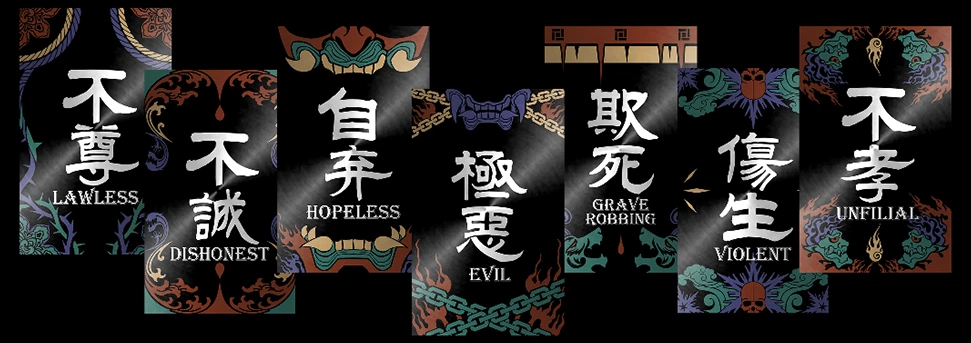
Sin cards
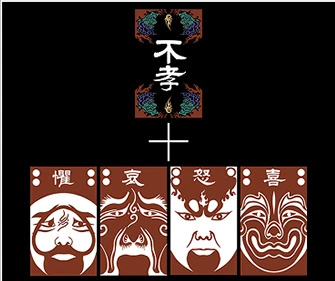
Violent: Those who kill or delight in warfare in the mortal realm. Lawless: Those who are defiant or unfilial. Dishonest: The deceitful and hypocritical. Grave Robbing: Those who break faith or cause the death of others. Hopeless: The slothful, degenerate, and self-destructive. Unfilial: Those who defy their parents or violate moral ethics. Evil: Those who murder kin or commit numerous heinous acts. When acting on the Life Path Board, if a player fulfills the corresponding task indicated on their Sin Card, they may achieve the game's goal.
Emotion cards
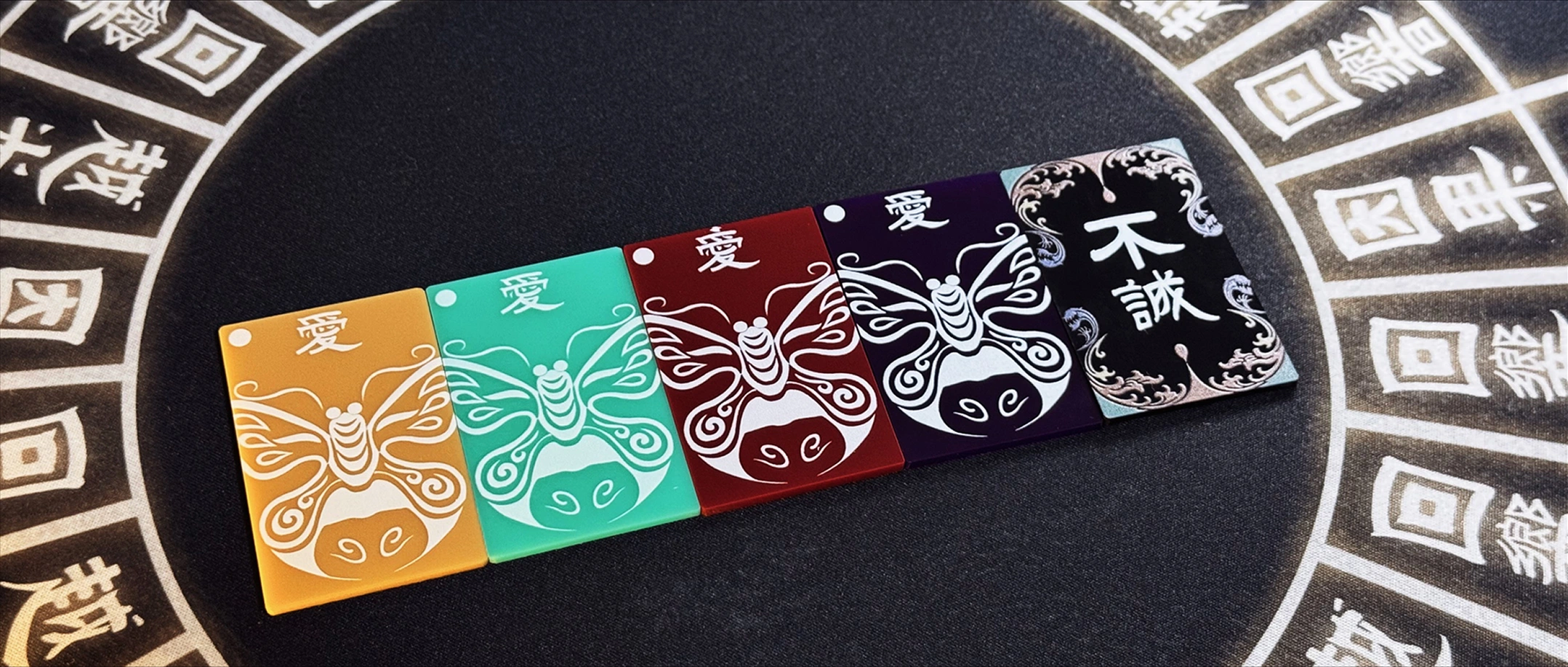
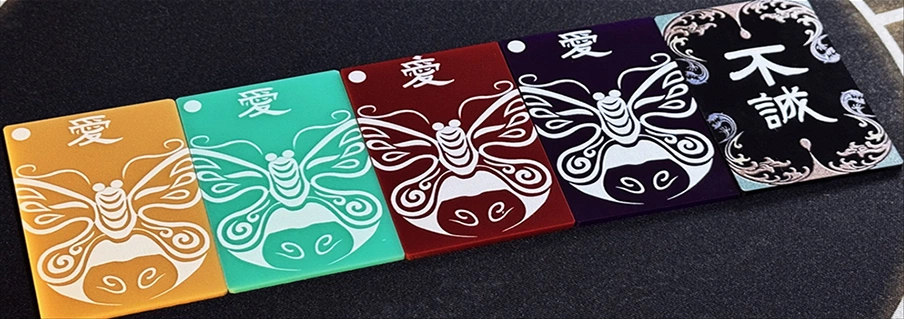
The Emotion Cards serve as players’ “Action Cards.” Each player holds a set of 28 Emotion Cards, representing seven emotions: joy, anger, sorrow, fear, love, dislike, and desire. Each emotion includes four point values (1, 2, 3, 4). While all players share the same set of emotions, their card colors differ — red, yellow, blue, and purple. When placing an Emotion Card on the Life Path Board, the player must tell a story that corresponds to the emotion represented by the card.
Romance Prompt cards
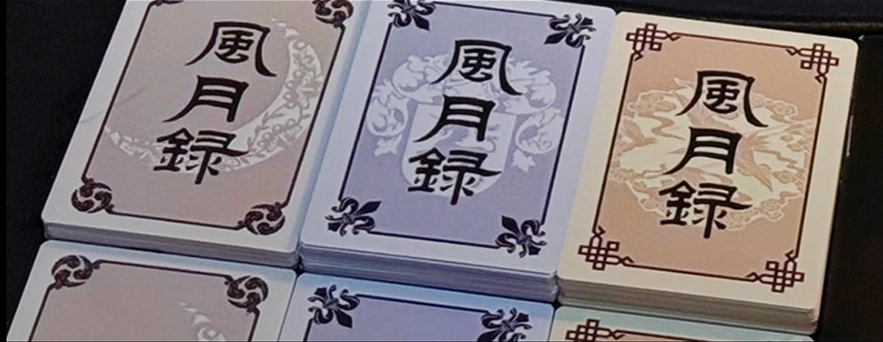
Romance Prompt Cards contain a phrase, a poem, or a special instruction. When telling a story, players may reveal an element from a Romance Prompt Card as a narrative cue.
Karma Lotus
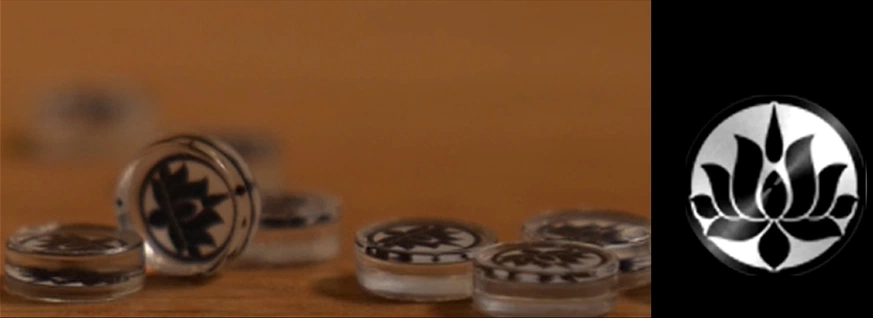
In the game, Karma Lotus tokens are used for voting among players.
Game rules
Set up
1.1 Place the Mirror of Sin Turn on the wireless light at the base of the Mirror of Sin. Insert the ferry boat token on its side, then place the mirror at the center of the Life Path Board.
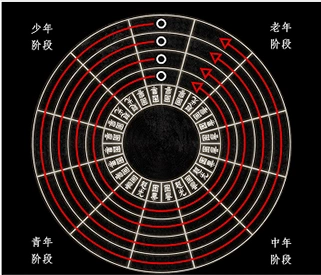
1.2 Set the Timeline and Starting Point Each player selects one outer ring of the Life Path Board as their starting point and arranges their timeline clockwise in the order of Youth > Adulthood > Midlife > Old Age.
1.3 Draw Starting Cards Each player draws 1 sin card as their ultimate goal and condition for atonement, along with 4 emotion cards as their starting hand.
Player action phase
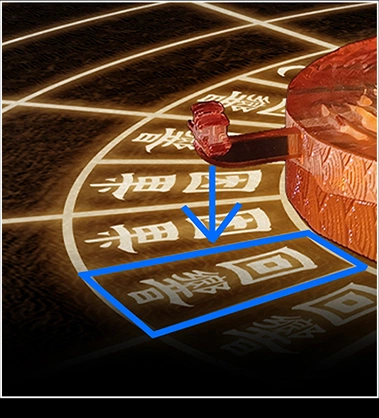
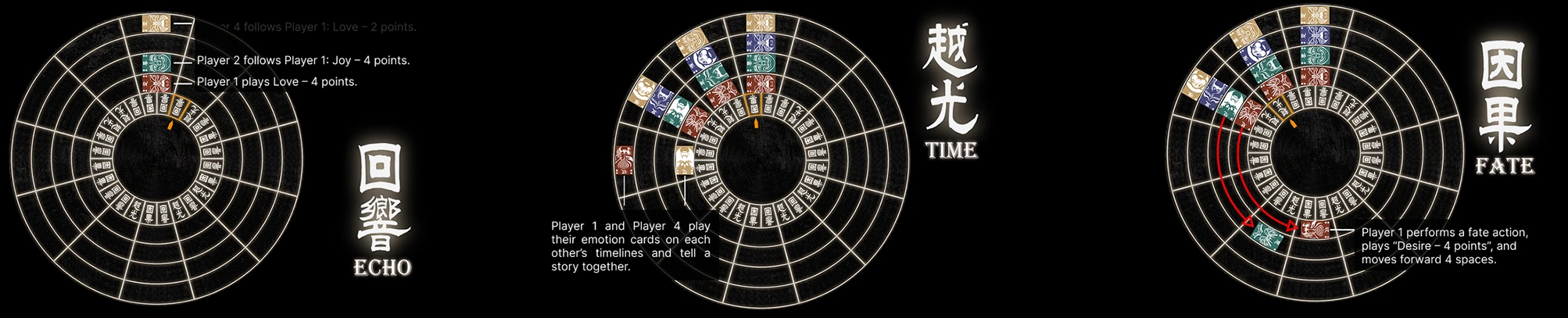
According to the position of the ferry boat, the player performs one of the following actions on the Life Path Board: Echo, Fate, or Time.
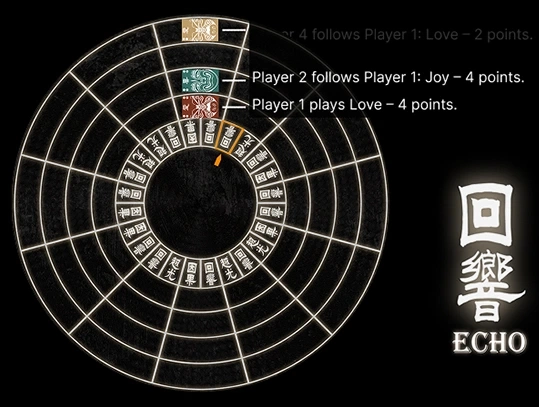
2.1 Echo Action The active player plays an emotion card and tells a story that corresponds to the emotion on the card. Other players may choose to play an emotion card of the same emotion or point value to share their own resonant story.
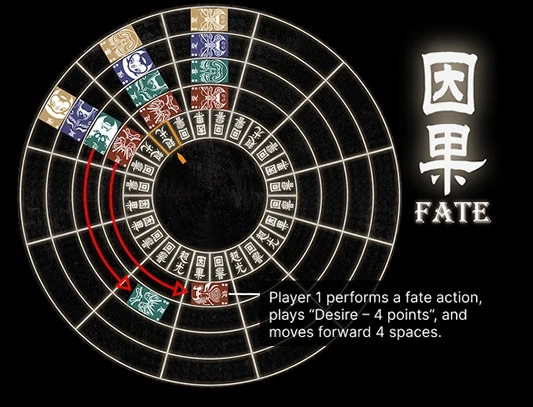
2.2 Fate Action The active player selects another player to interact with. Both players play one emotion card each (of the same point value or emotion) and co-create a connected story.
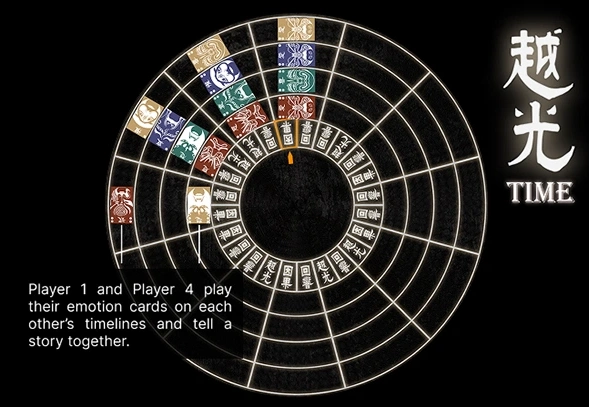
2.3 Time Action The active player plays an emotion card and moves forward on the Life Path Board by the number of spaces shown on the card. They then tell a story reflecting the card’s emotion. If the destination space is occupied, move back one space. If the player surpasses the 12th space, stop at space 12. After completing the action, return to the original starting point.
Reward phase
Each completed narrative earns one Karma Lotus. A “True Word” narration offers a choice: gain three Karma Lotus tokens, or gain one and draw a new Emotion Card from your own deck.
Turn resolution
After each action, players place their played Emotion Cards on the corresponding positions of the Life Path Board. The Ferry Boat token advances by the total sum of all Emotion Card points from that round. Players then give appreciation: each player may give up to 2 Karma Lotus tokens to others but not to themselves. After all actions are completed, the next player's turn begins.
Game completion
When finishing their self-narrative on the Life Path Board, the player plays their starting Sin Card and tells how they committed and redeemed that sin. If the required emotion and point value match the Sin Card condition, the atonement is complete, marking the end of the player’s life journey. They may then choose to end the game or continue in others’ stories.
Game iteration
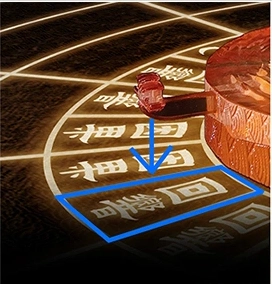
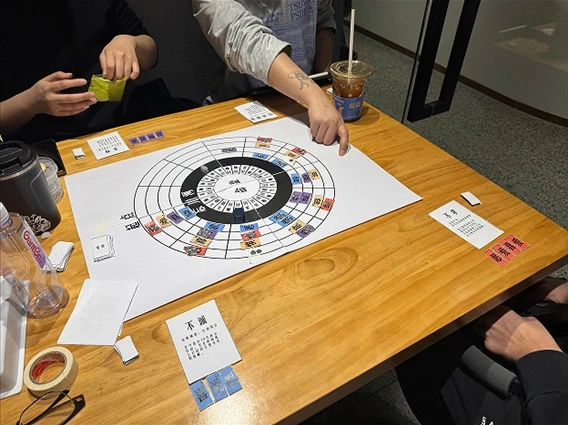
TEST 1 Ferry Boat Movement Issue: After each player’s action, the Ferry Boat moves forward according to the card's point value. A shadow marker should be left at the original position to indicate the current action type, preventing confusion. Card Refill Issue: After playing a card, each player may immediately draw a replacement. Only the Karma (Appreciation) phase occurs at the end of each round. Board Adjustment: Rearrange and rebalance the distribution of different action types. Reduce the total spaces on the timeline from 24 to 12 to shorten the overall game duration.
TEST 2 Winning Condition Adjustments: Dishonesty: Reduce the winning condition from 10 to 6 True Word narrations. Ungratefulness: Reduce the winning condition from 30 to 20 tokens. All other Sin Cards: Change the condition to collect 12 tokens on the required Emotion Cards. Romance Prompt Cards: Differentiate the types of Romance Prompt Cards. Create an additional Foreign Culture Expansion Pack. Time Action Adjustments: If a Time Action lands on a space already occupied by another Emotion Card, move back one space. If a Time Action exceeds the 12th space, remain at space 12.

Final work