
THEM
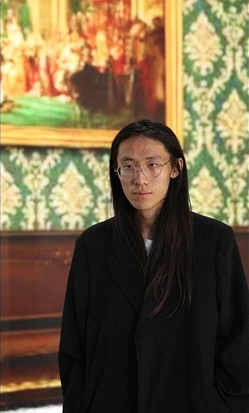
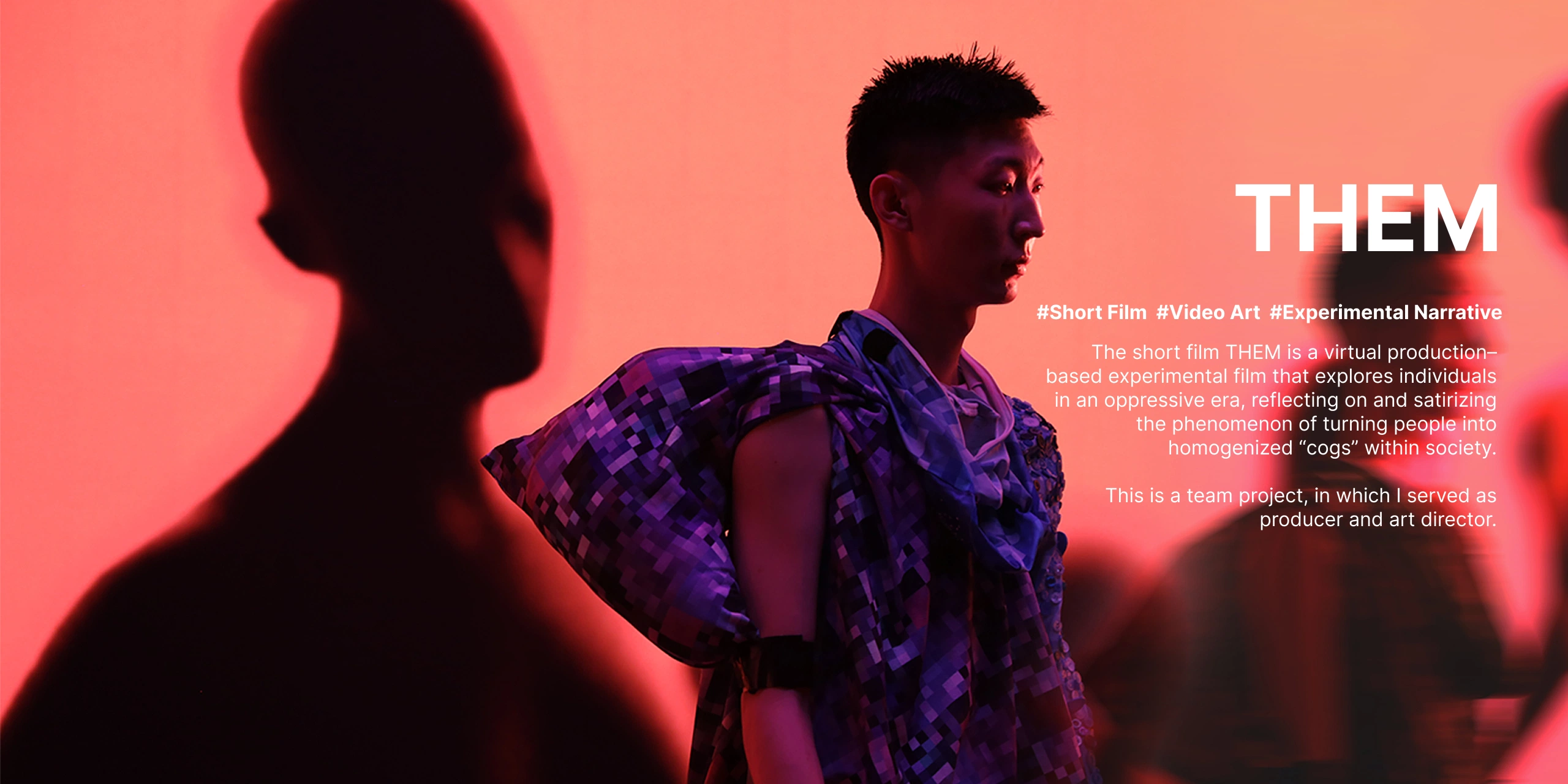
THEM is a virtual production–based experimental short film about individuals in an oppressive era. It satirizes the process of turning people into interchangeable “cogs” within society. I served as producer and art director.
Inspiration
In today’s fast-paced society, individuals are shaped by their environments and, under the pressures of life and work, are forced to play different roles, hiding behind various “masks.” Suppressed emotions and genuine thoughts are often difficult to express, and art serves as a crucial outlet for such feelings. Based on this idea, my team and I defined the project's design focus on those who are “oppressed” under societal pressures.
Background
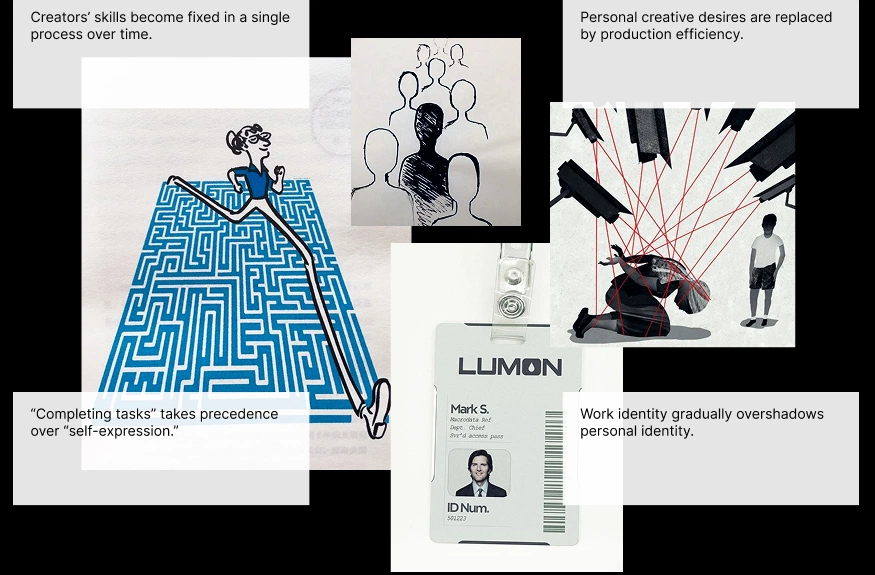
In today’s highly industrialized and process-driven creative industries, creators are gradually shifting from being “full-process artists” to functional nodes within a production pipeline. Within this structure, individuals are gradually homogenized by the system, becoming “replaceable production units” rather than creators with independent expressive capacity.
Research
Social Psychology Perspective In high-pressure social structures, individuals often need to switch roles across different contexts:
The “competent employee” in the workplace The “participant in successful narratives” in society The “responsible family member” at home
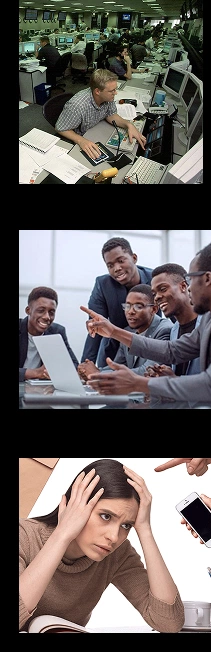
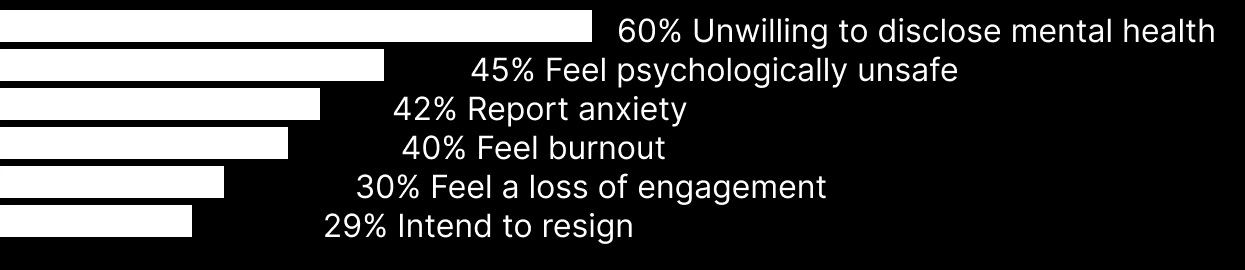
These roles gradually form a stable yet inauthentic “social mask.” Deterioration of the Workplace Environment Main Sources of Workplace Stress (%)
Technical experience references
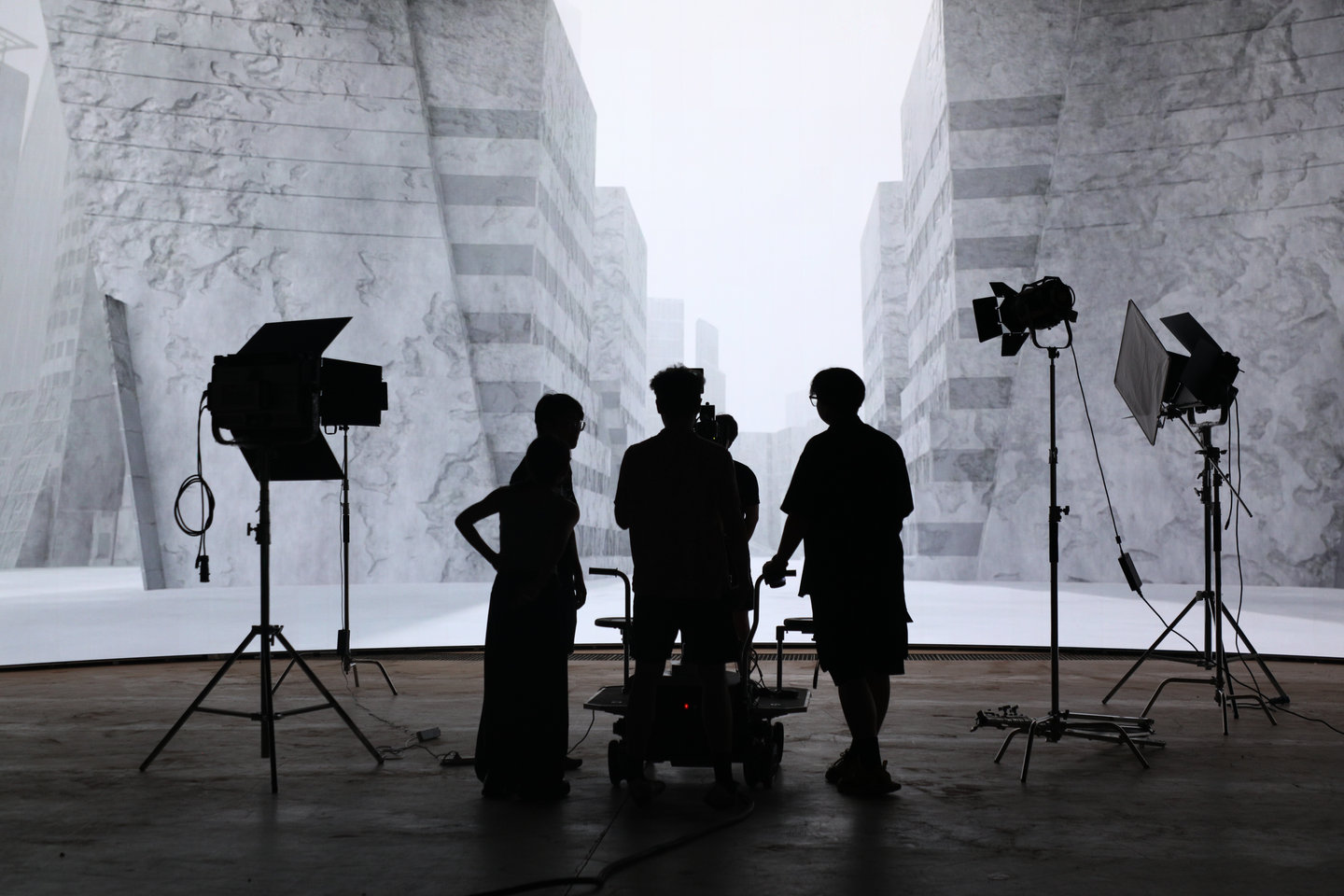
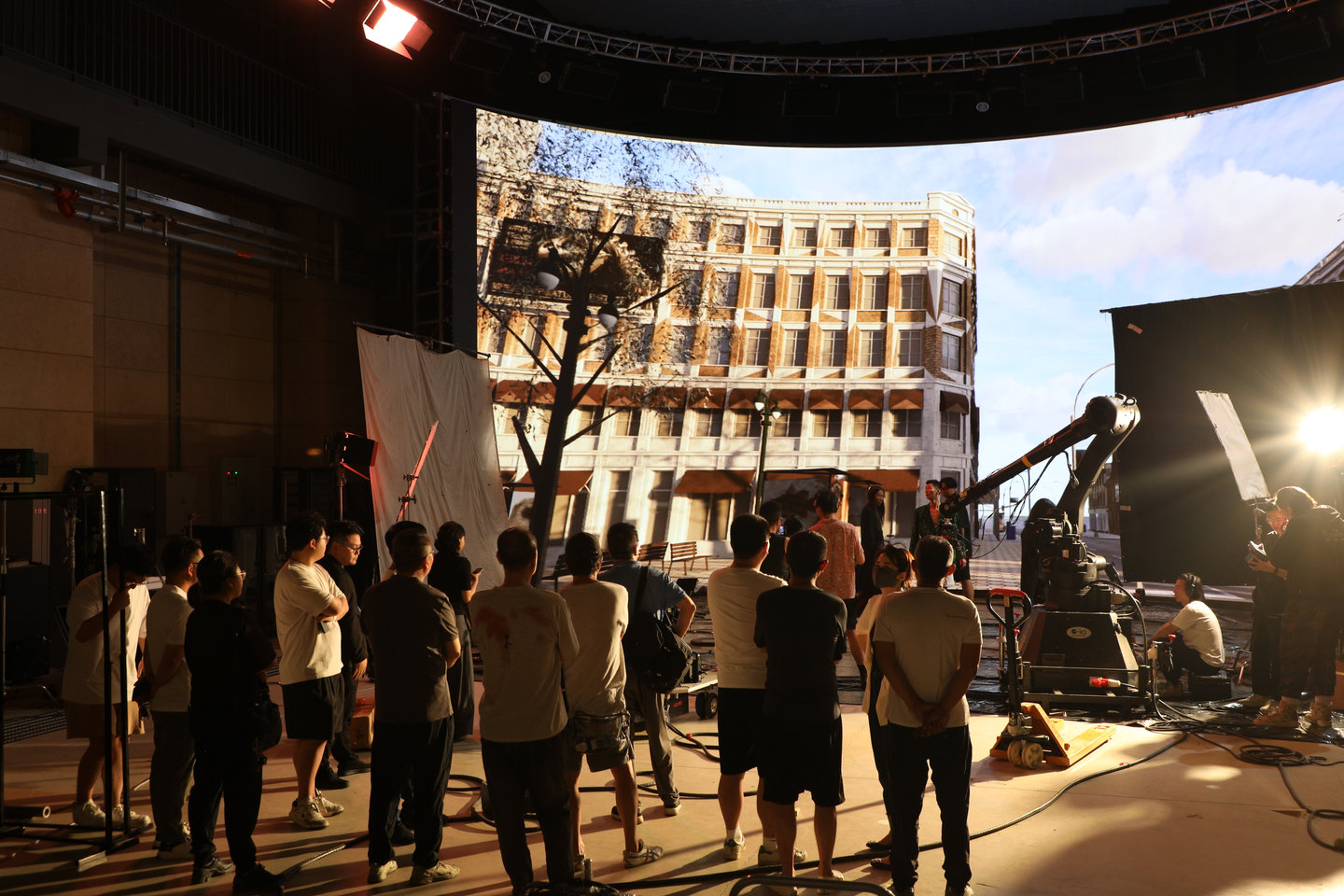
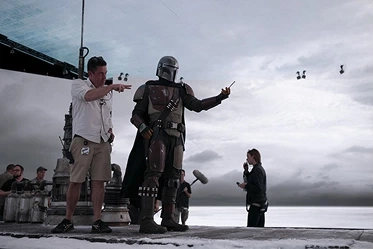
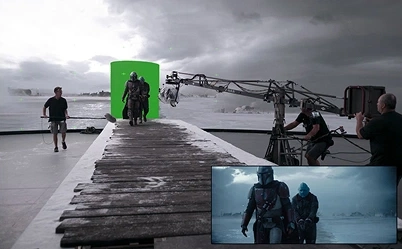
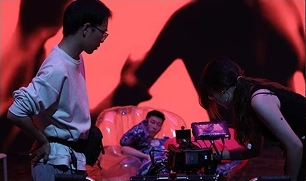
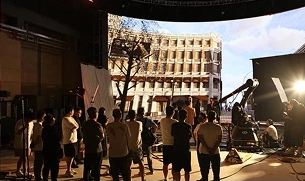
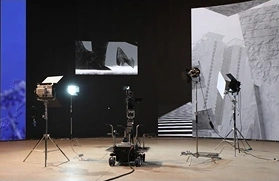
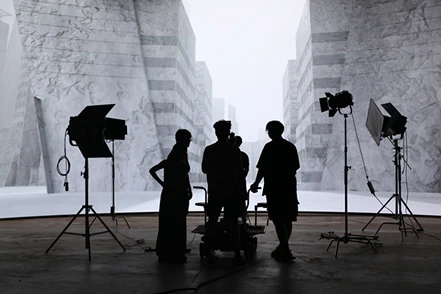
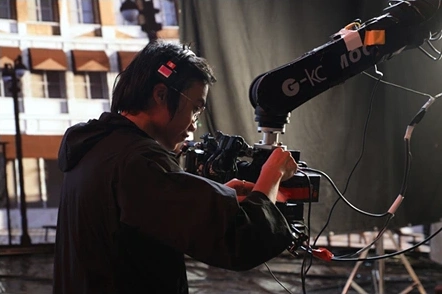
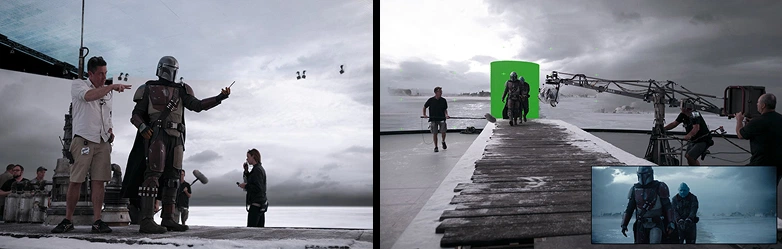
We drew inspiration from the use of virtual production in commercial blockbusters such as The Mandalorian and The Batman, adjusting spatial angles and optimizing foreground set elements to overcome the limitations of the LED screens’ flat surfaces.
Artist references
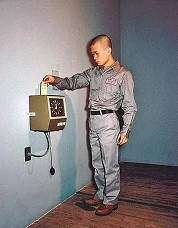
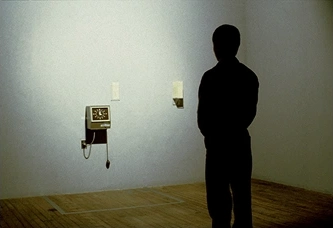
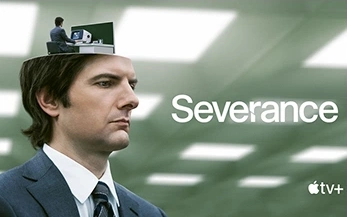
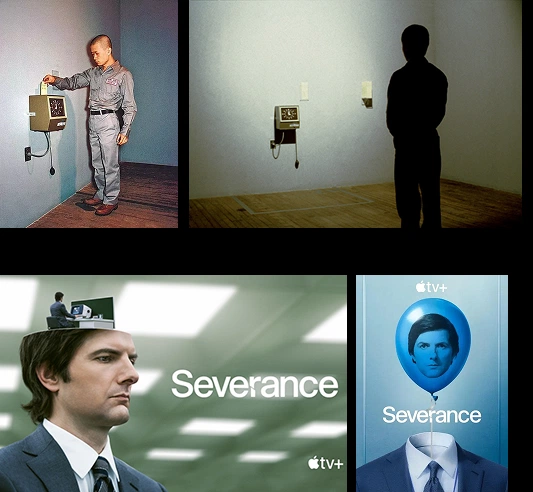
One Year Performance: 1980-1981 Tehching Hsieh Tehching Hsieh clocked in at a time clock once every hour for an entire year. The work uses extreme physical practice to simulate the condition of “workers enslaved by time.” Severance Severance depicts Lumon implanting chips to separate “work persona” from “personal persona’—employees have no memory of their personal lives while working. While this seemingly addresses the “work-life divide,” it in fact intensifies capital’s control over workers’ time.
Technical details
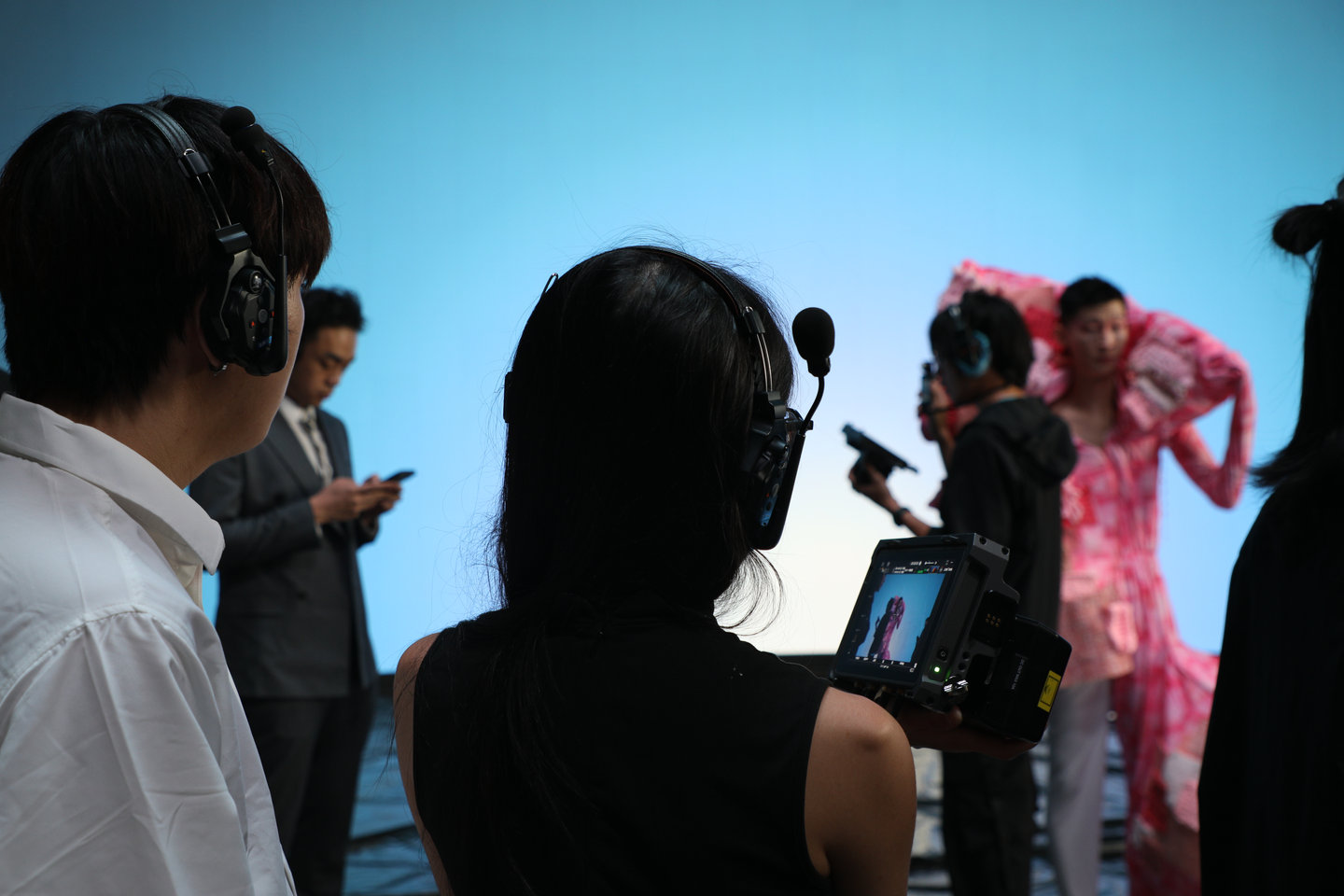
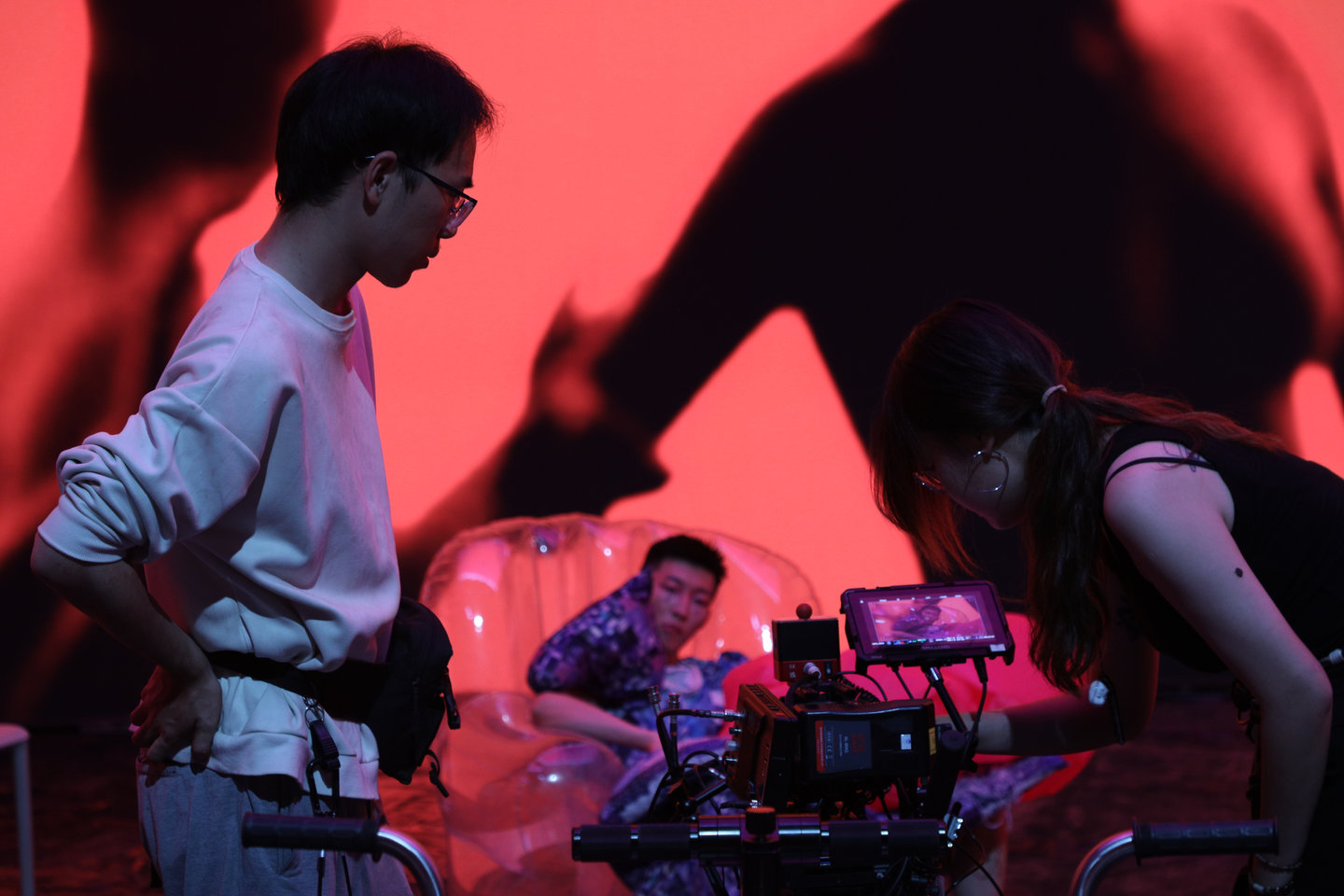
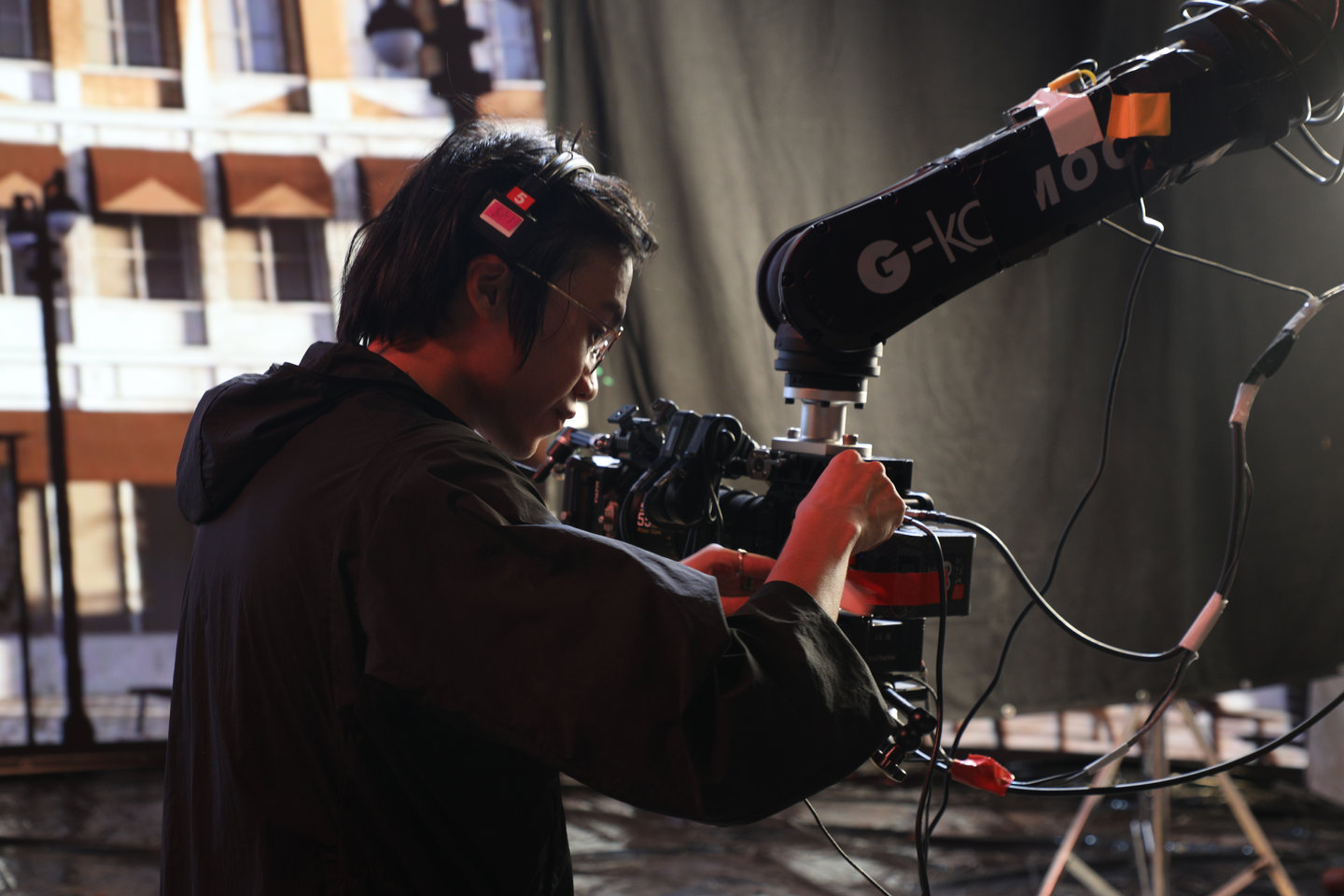
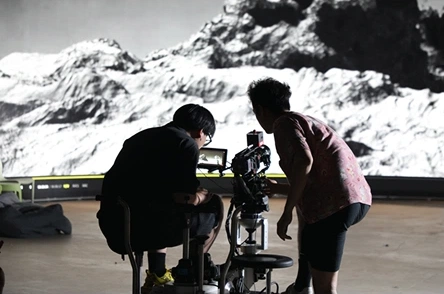
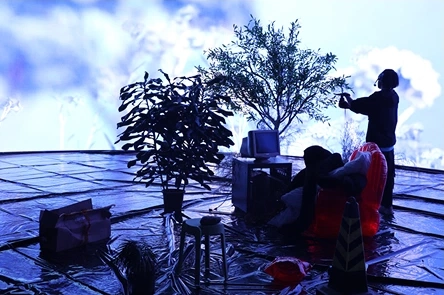
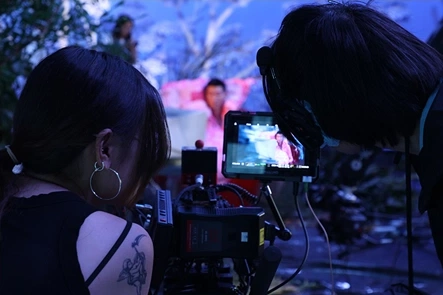
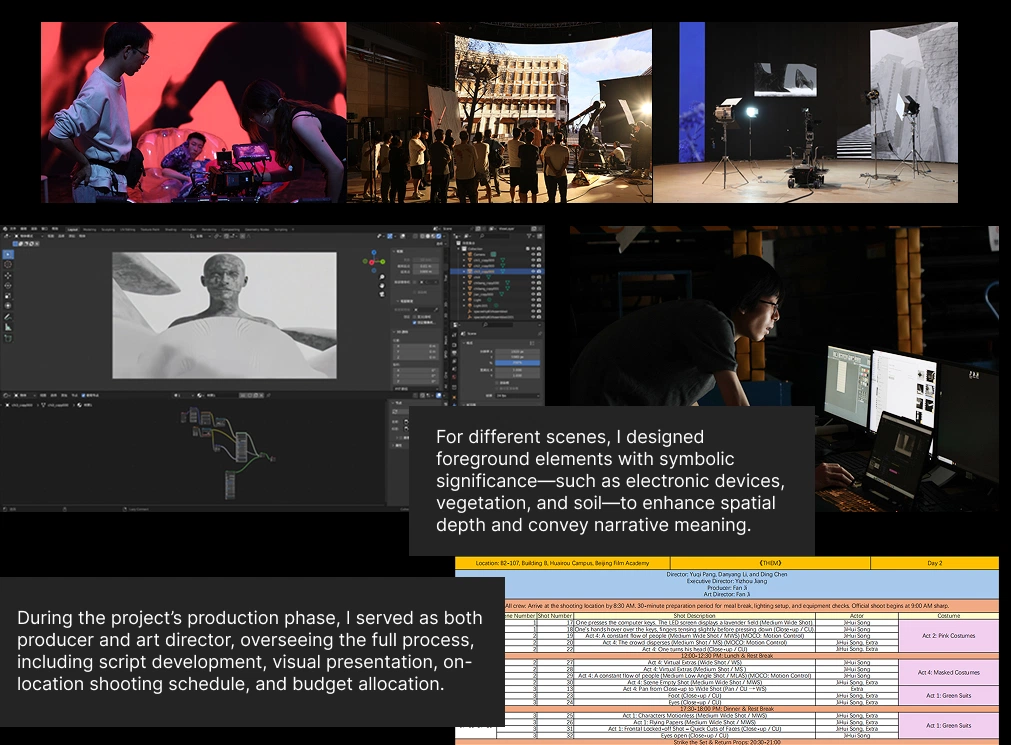
Virtual Production This project was created using virtual production. I used 3D software such as Blender to complete modeling and animation, then imported the assets into Unreal Engine 5 (UE5). At the same time, I captured natural landscape footage on location or processed existing video materials to create extensive environmental assets, which were projected onto LED screens.
I designed foreground elements such as electronic devices, vegetation and soil for their spatial depth and symbolic meaning. As producer and art director I oversaw script development, visual presentation, the location shooting schedule and budget allocation.
On-set filming
Act one · The objective world
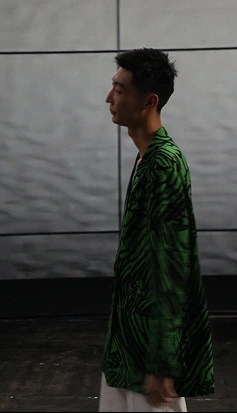
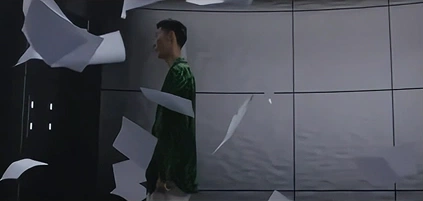
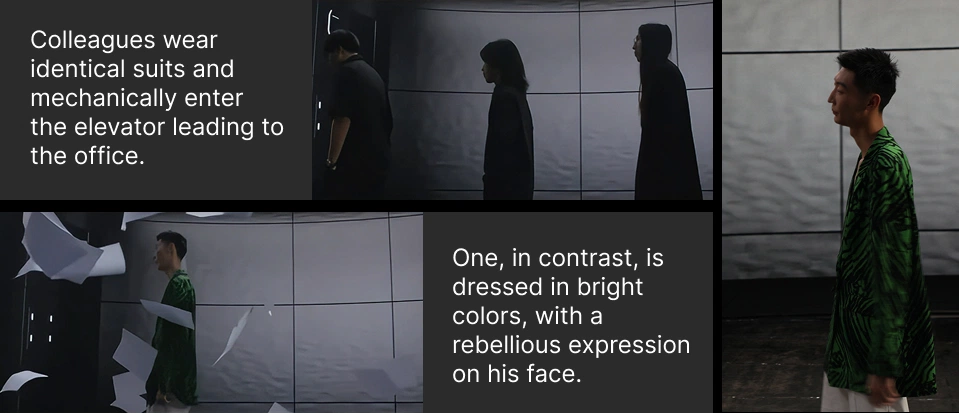
Scene Description The protagonist, One, is a young adult who has just left campus and entered society. While university encourages the cultivation of diverse talents, the pressures of corporate competition in the broader society often attempt to mold individuals into cogs.
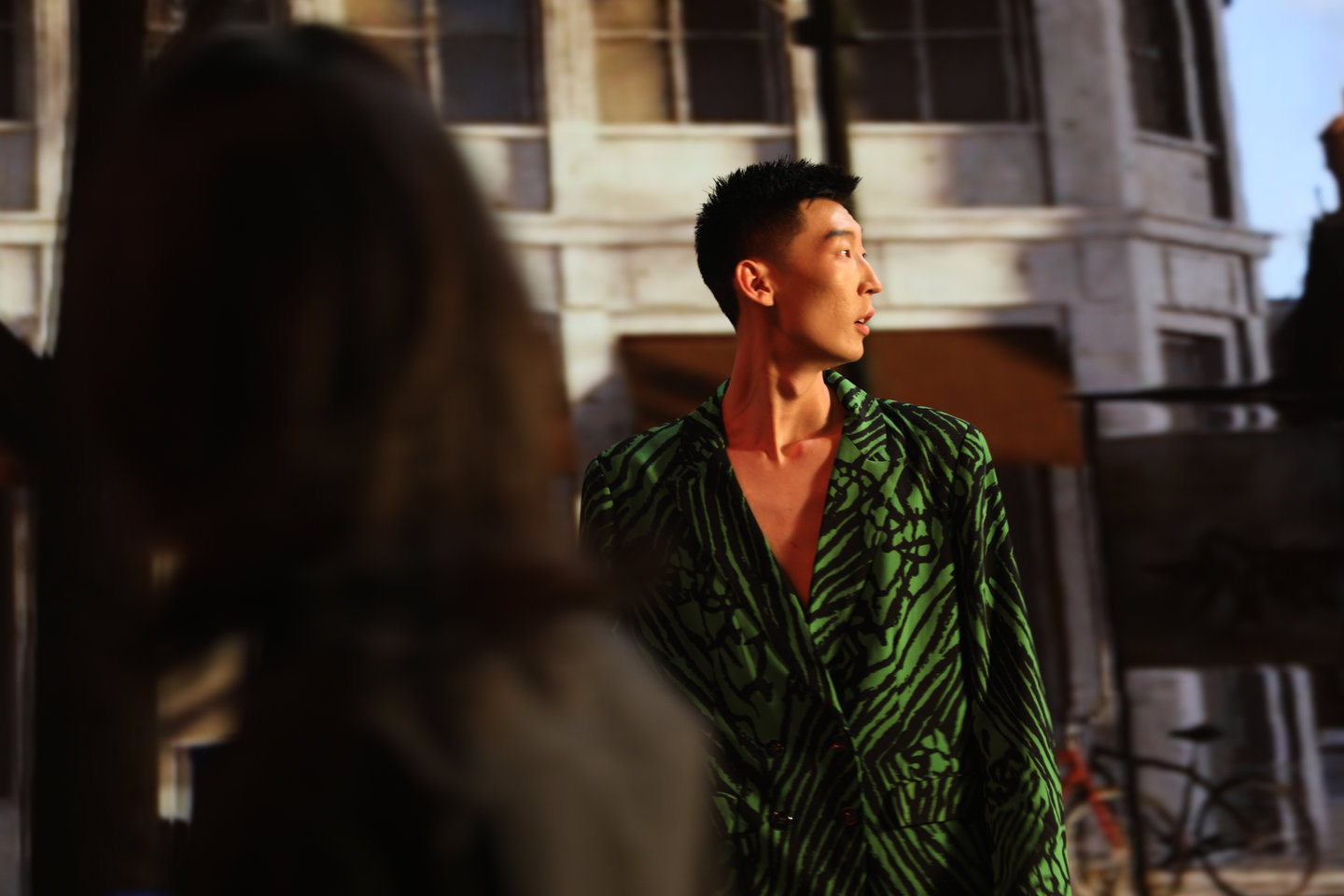
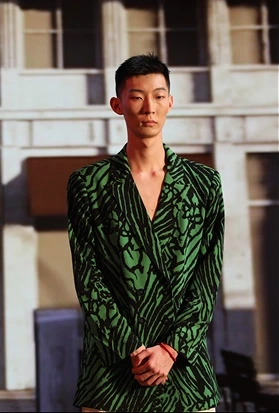
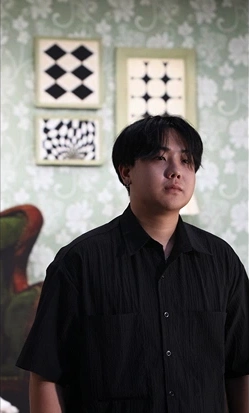
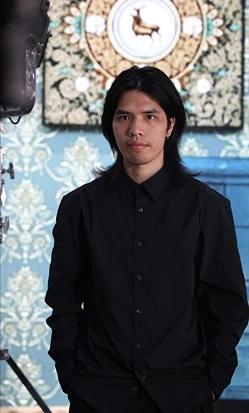
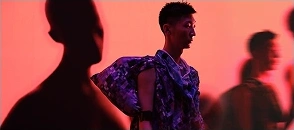
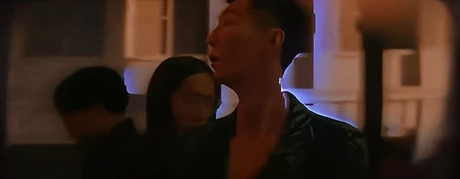
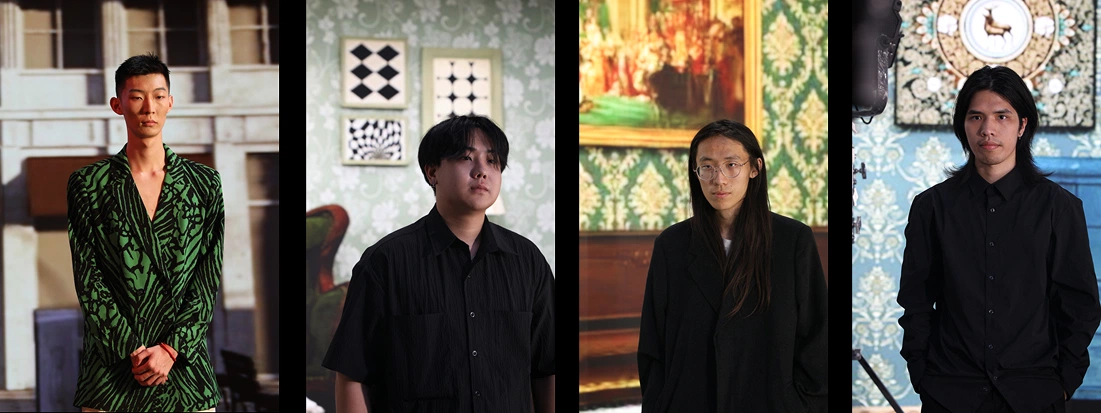
Character Costume Design In Act One, One wears a highly saturated green suit with exaggerated patterns, highlighting his uniqueness and rebelliousness. The other characters (Them) uniformly wear black suits or shirts, with standardized and formal attire.
Act two · The conscious world
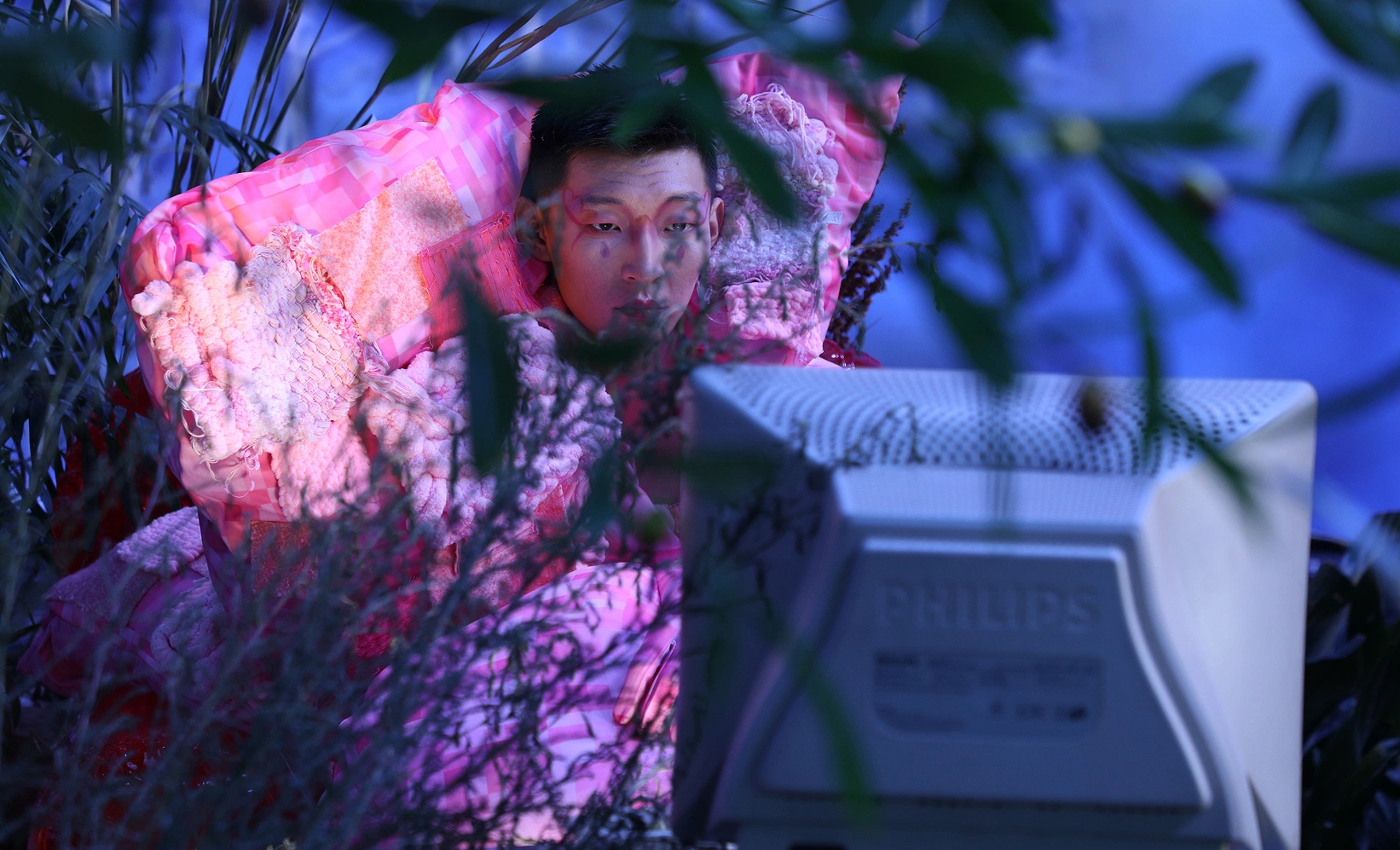
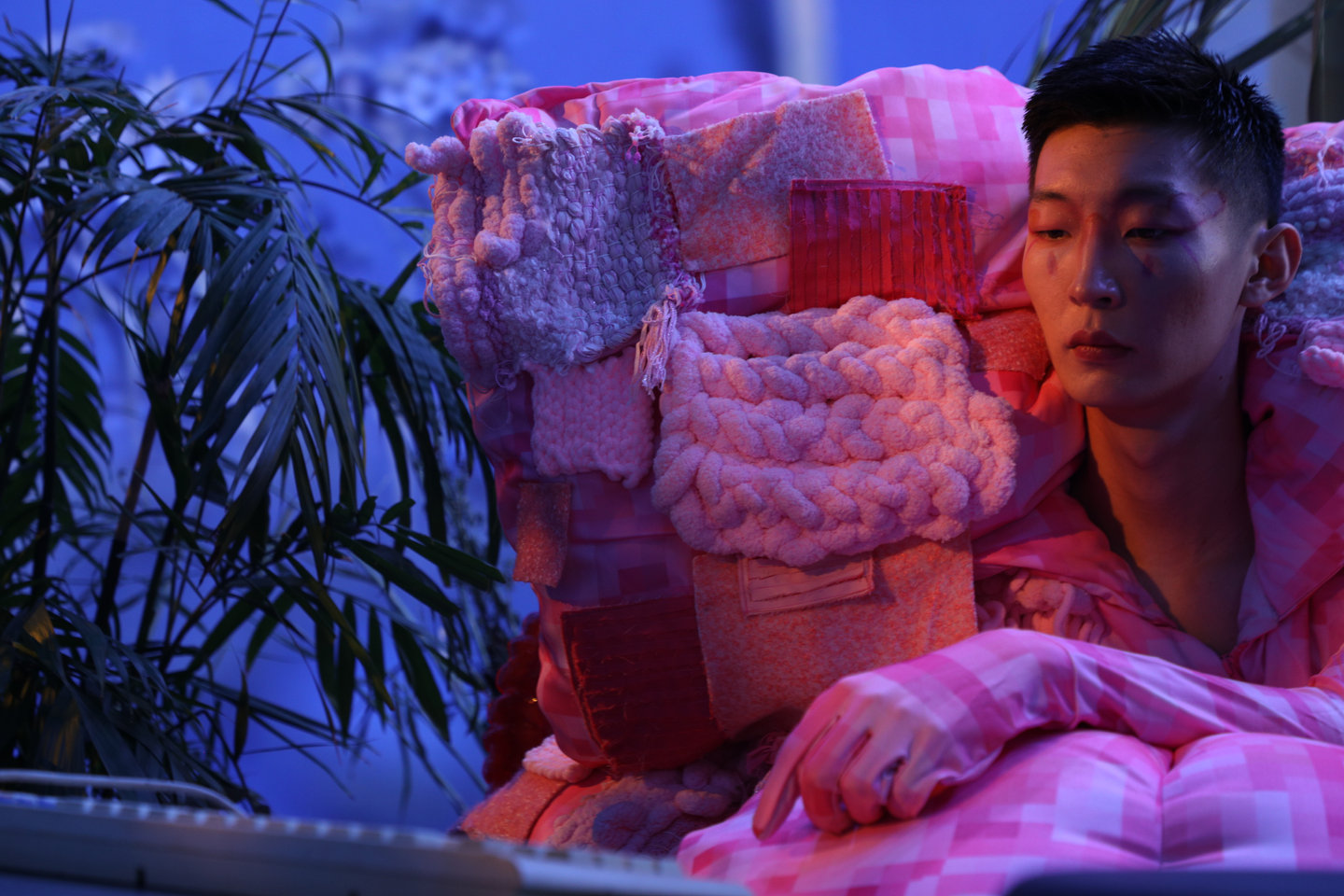
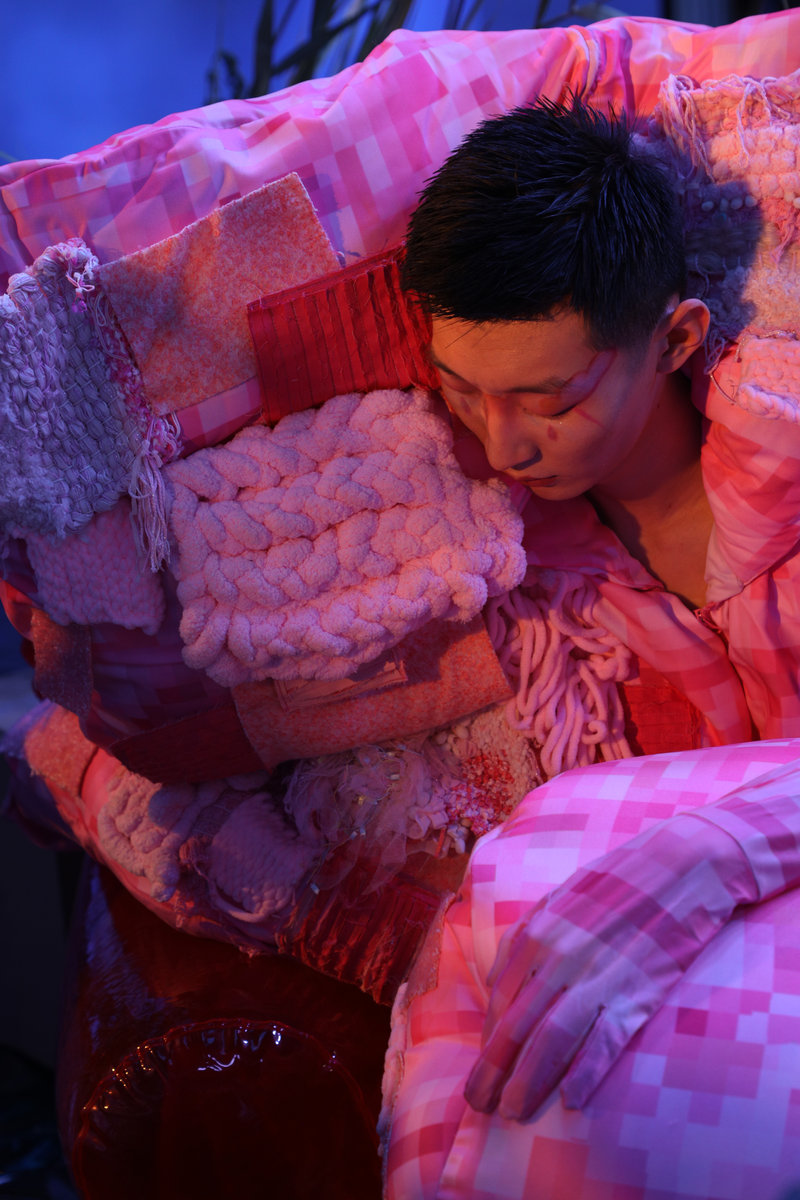
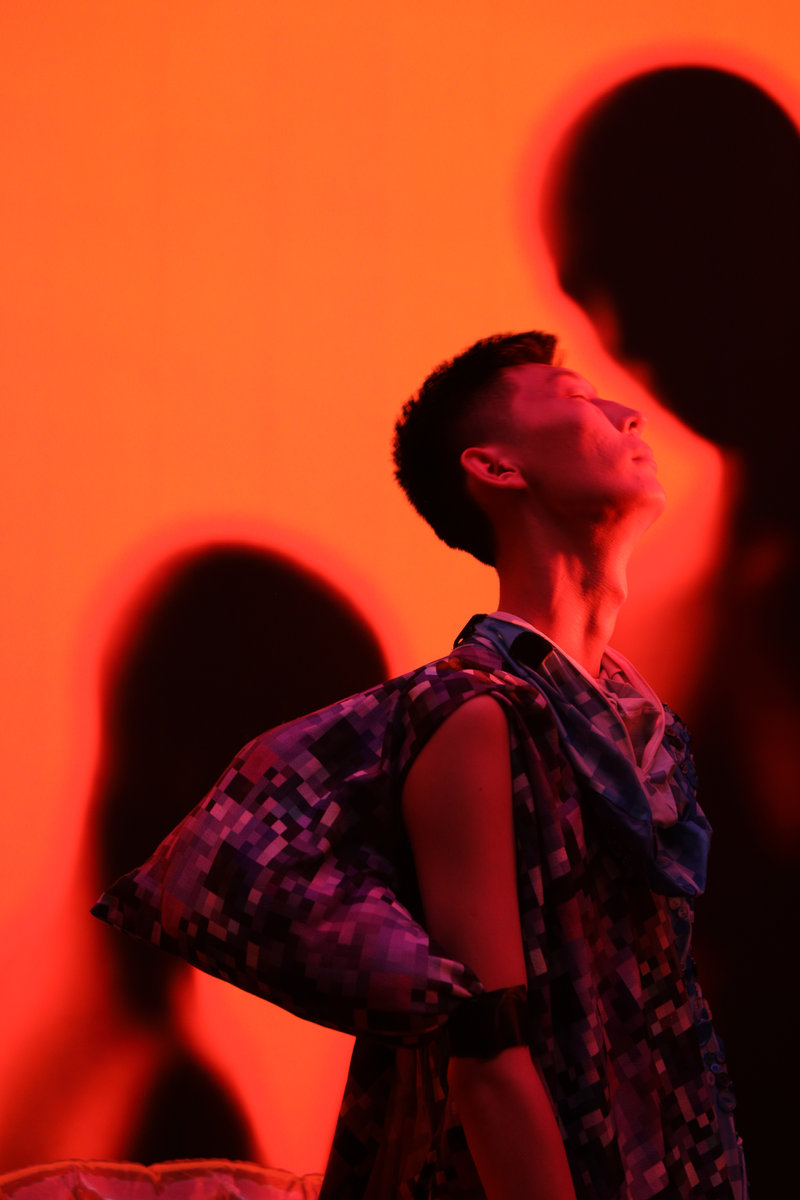
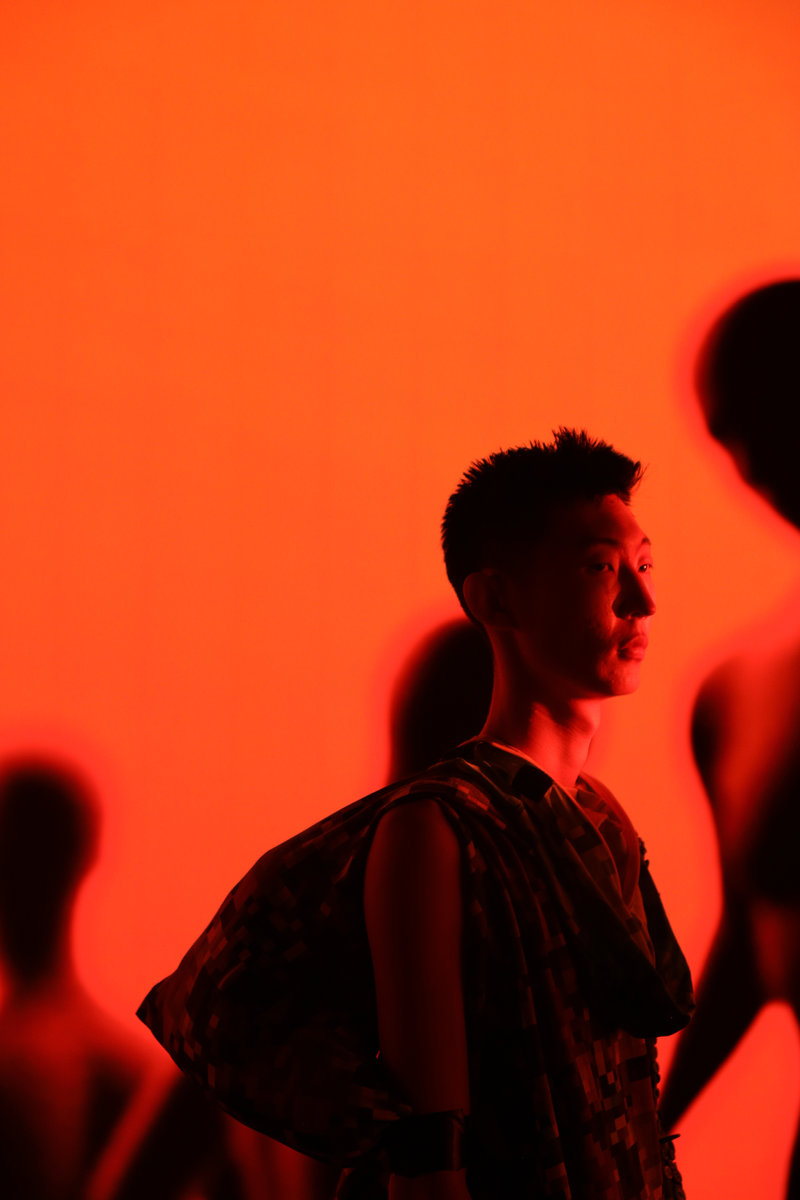
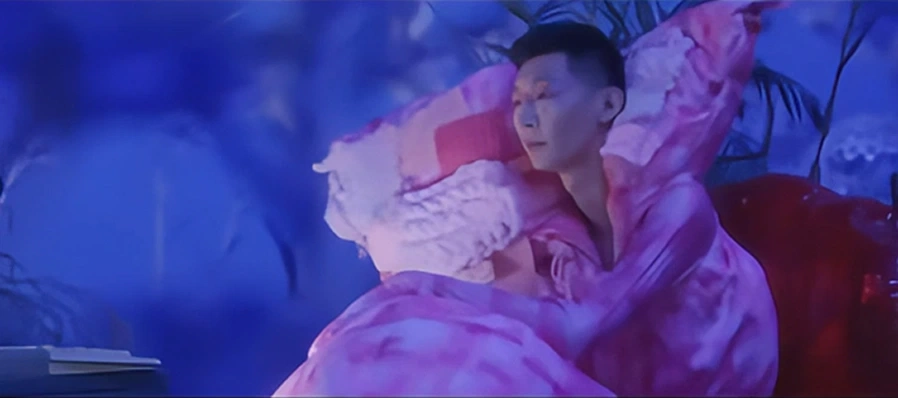
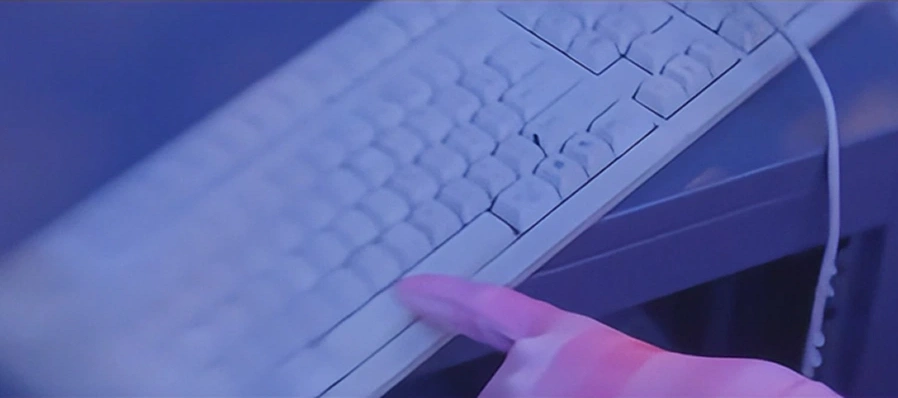
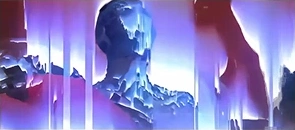
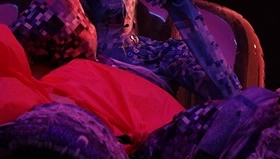
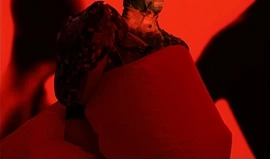
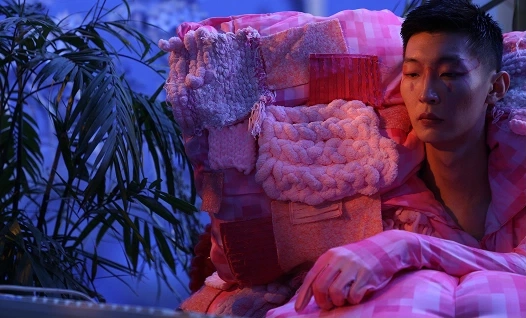
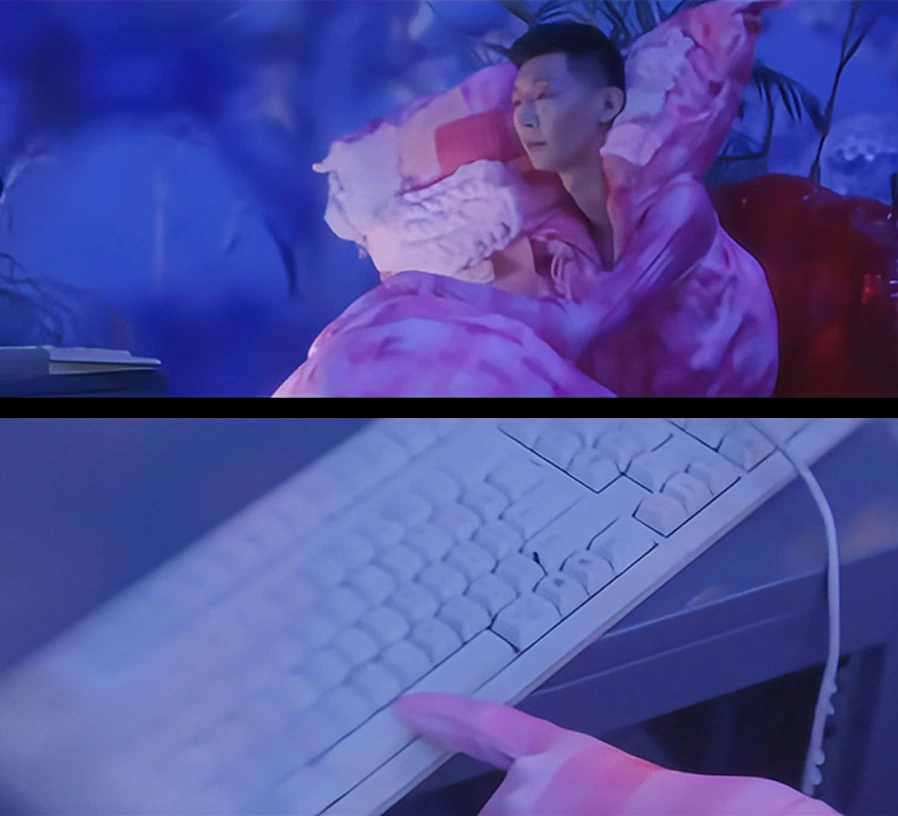
Scene Description One enters the consciousness world. His action of pressing the Enter key signifies the gradual descent of his awareness. The red and blue color contrasts in the scene convey the intense emotional conflict within him.
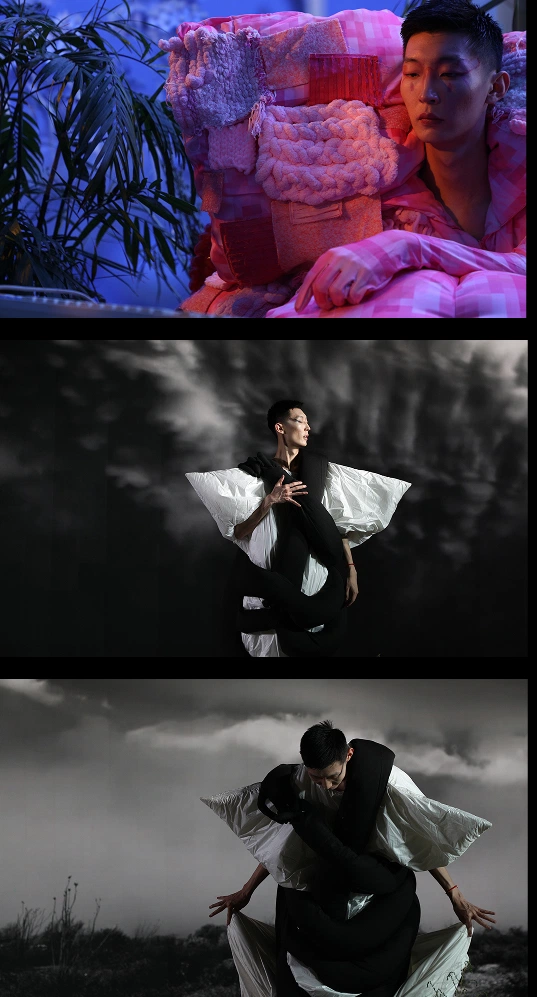
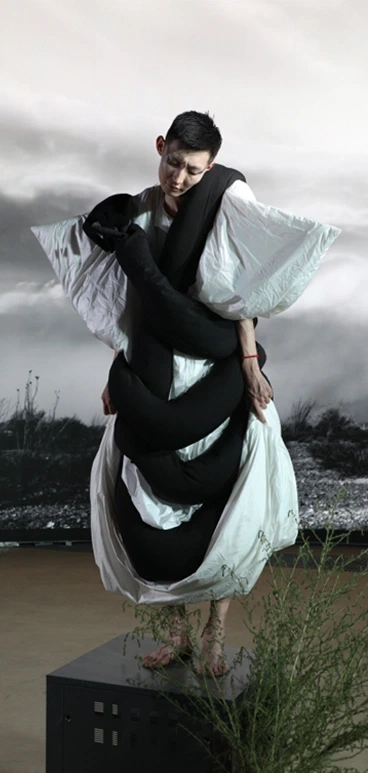
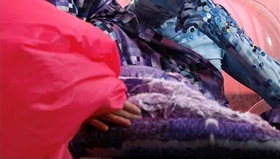
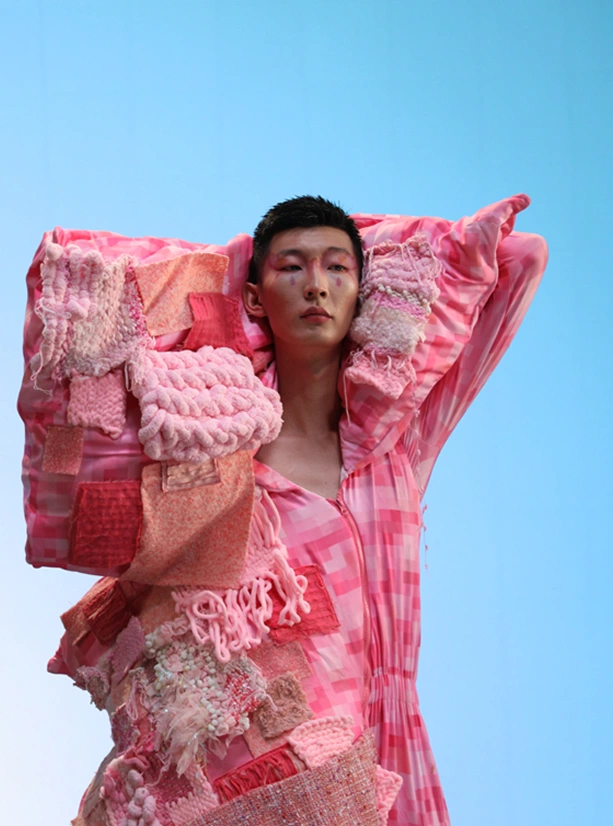
Character Costume Design Here, One's costume features structures resembling “tumors” or “granulation,” symbolizing how he gradually changes and becomes alienated under environmental pressures in the real world, like a seed sprouting.
Act three · Preconscious — Seeking
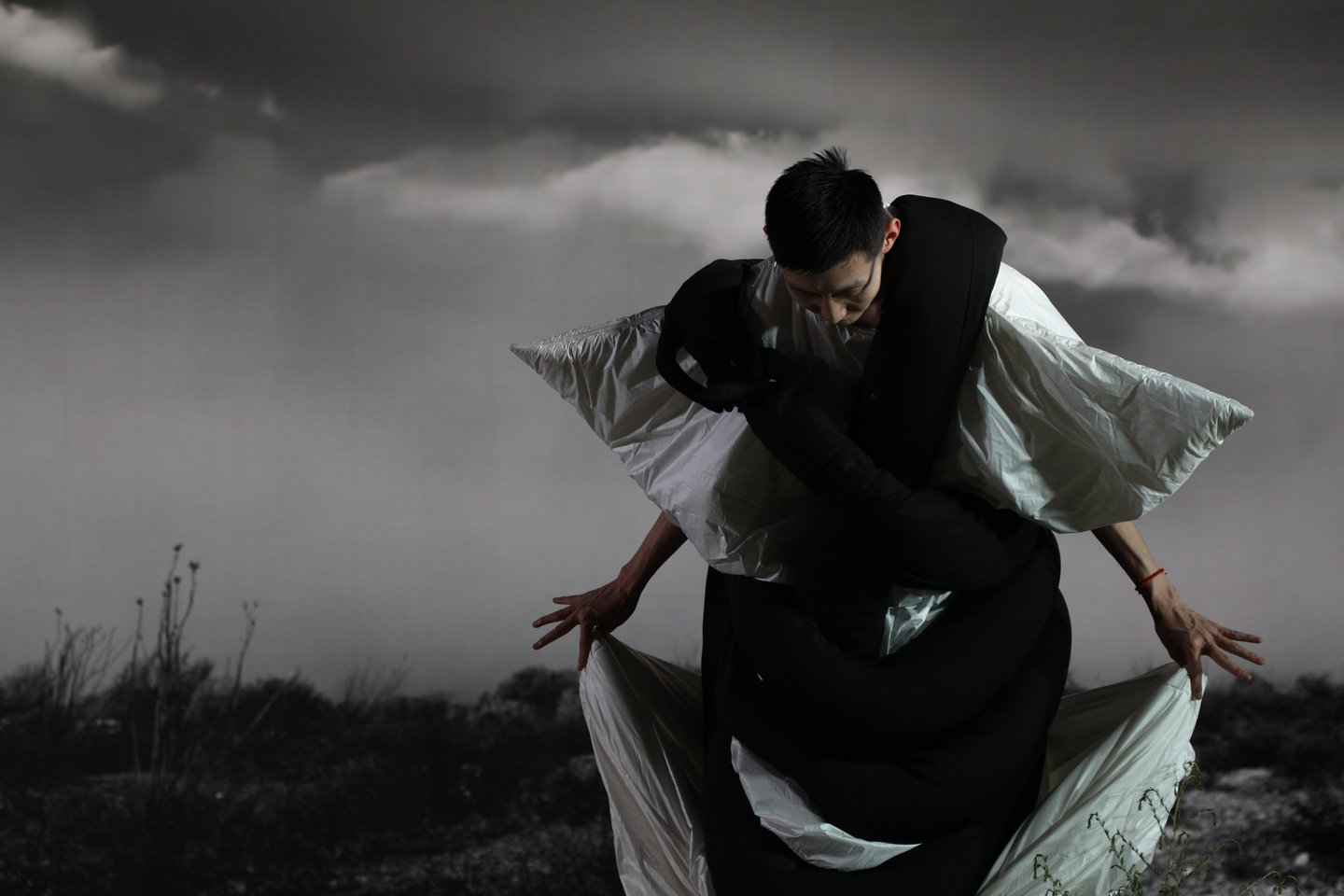
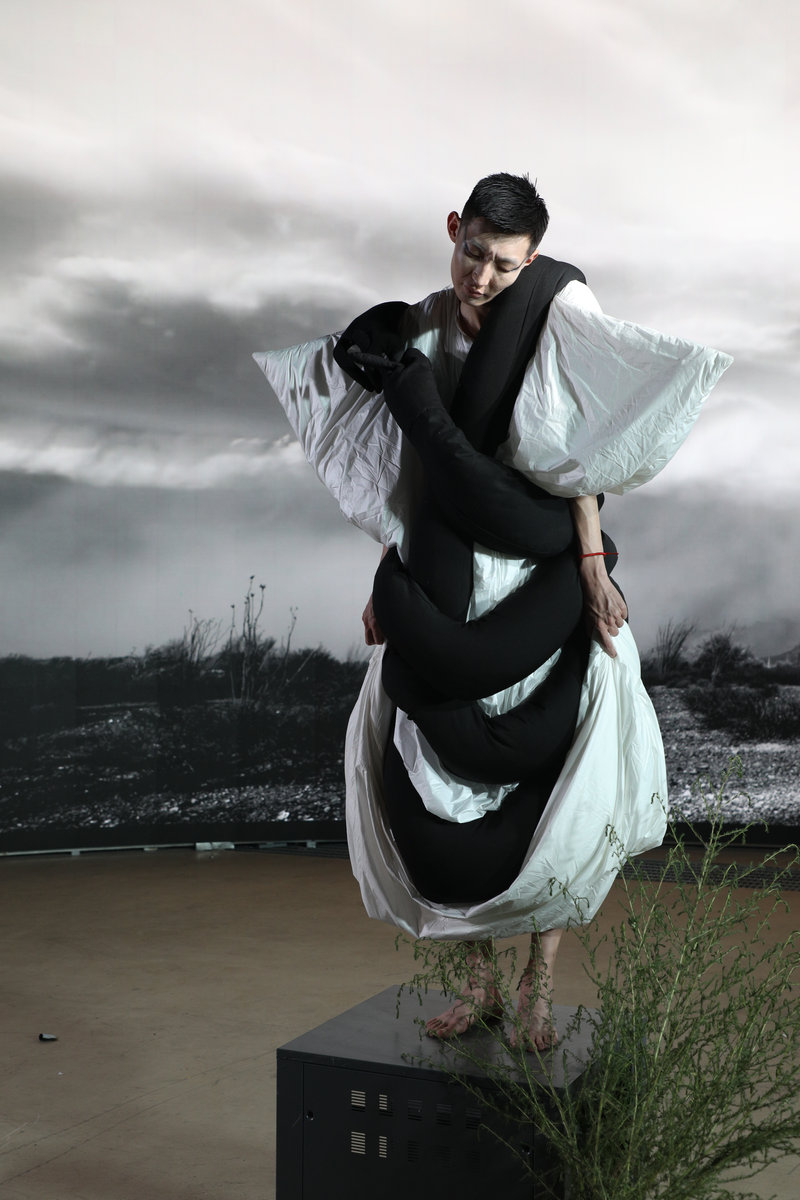
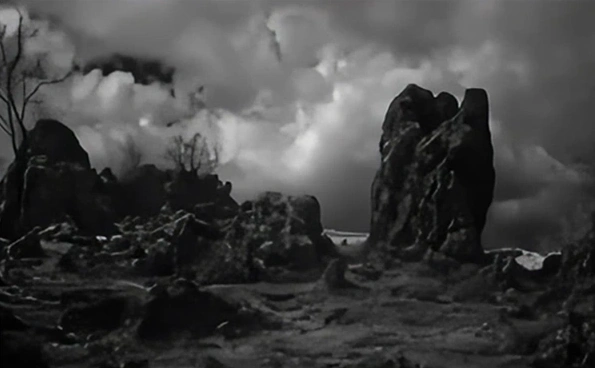
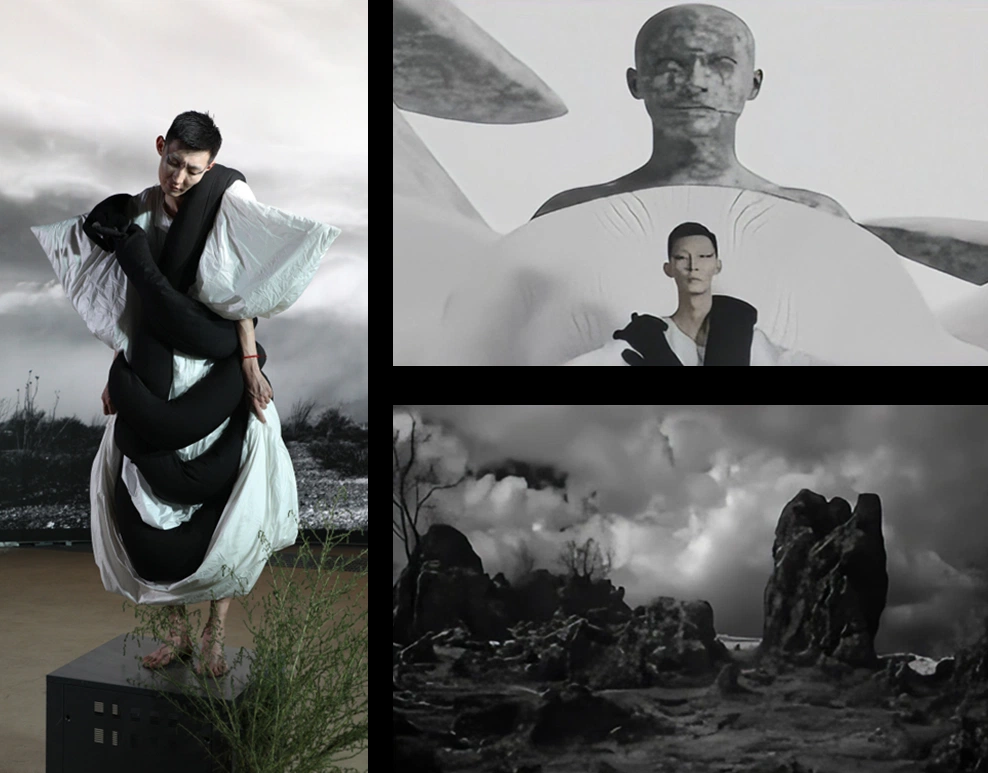
Scene Description One descends into a deeper layer of consciousness, where the world is a desolate wilderness. As he walks and searches, he begins to question himself, gradually sensing that his freedom, wildness, and creativity are slipping away.
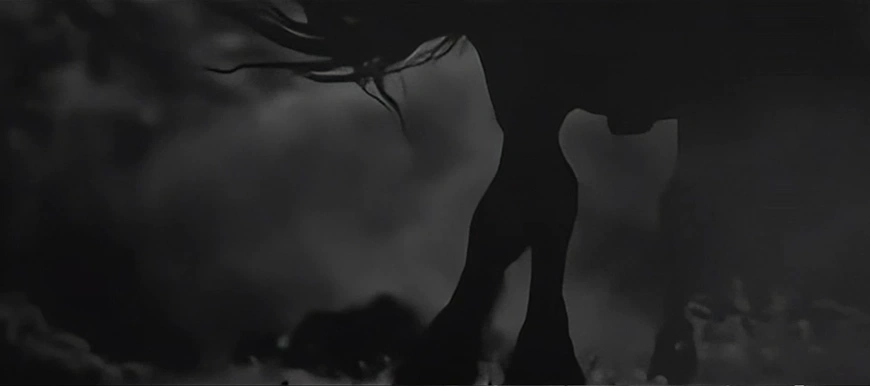
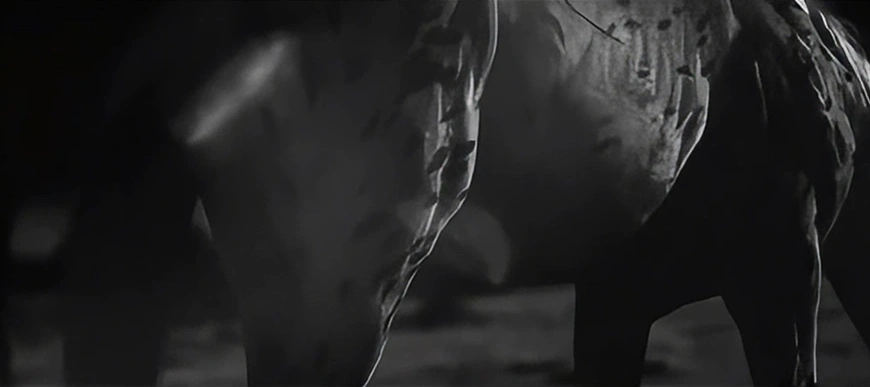
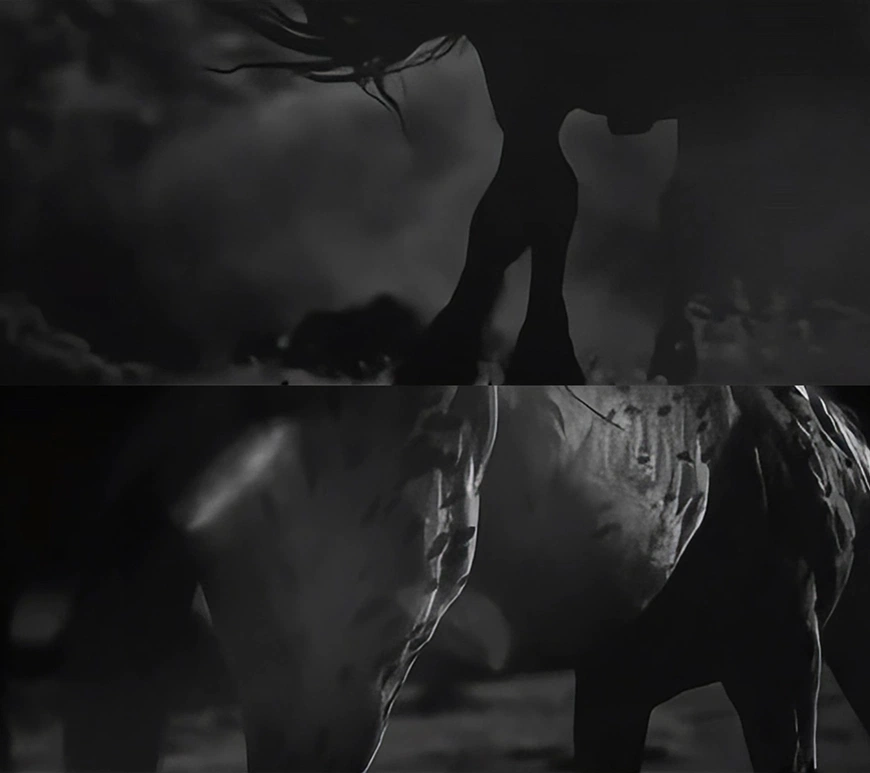
In Act Three, I repeatedly incorporate the motif of the Turin Horse to convey the idea that the essence of survival is daily repetition, echoing the psychological structure of “unconsciousness— chaos.”
Act four · Unconscious — Chaos
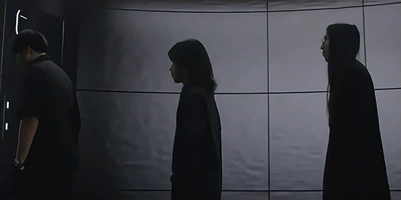
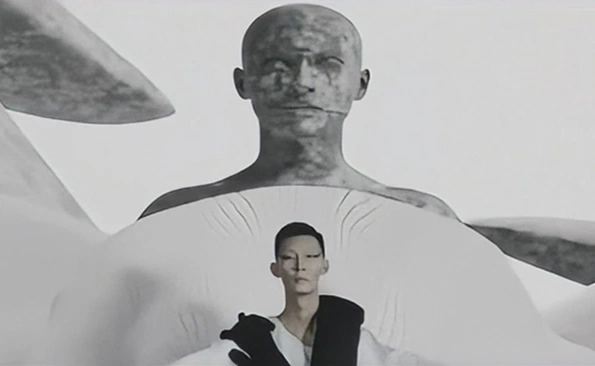
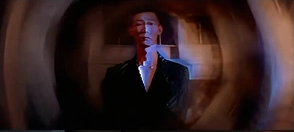
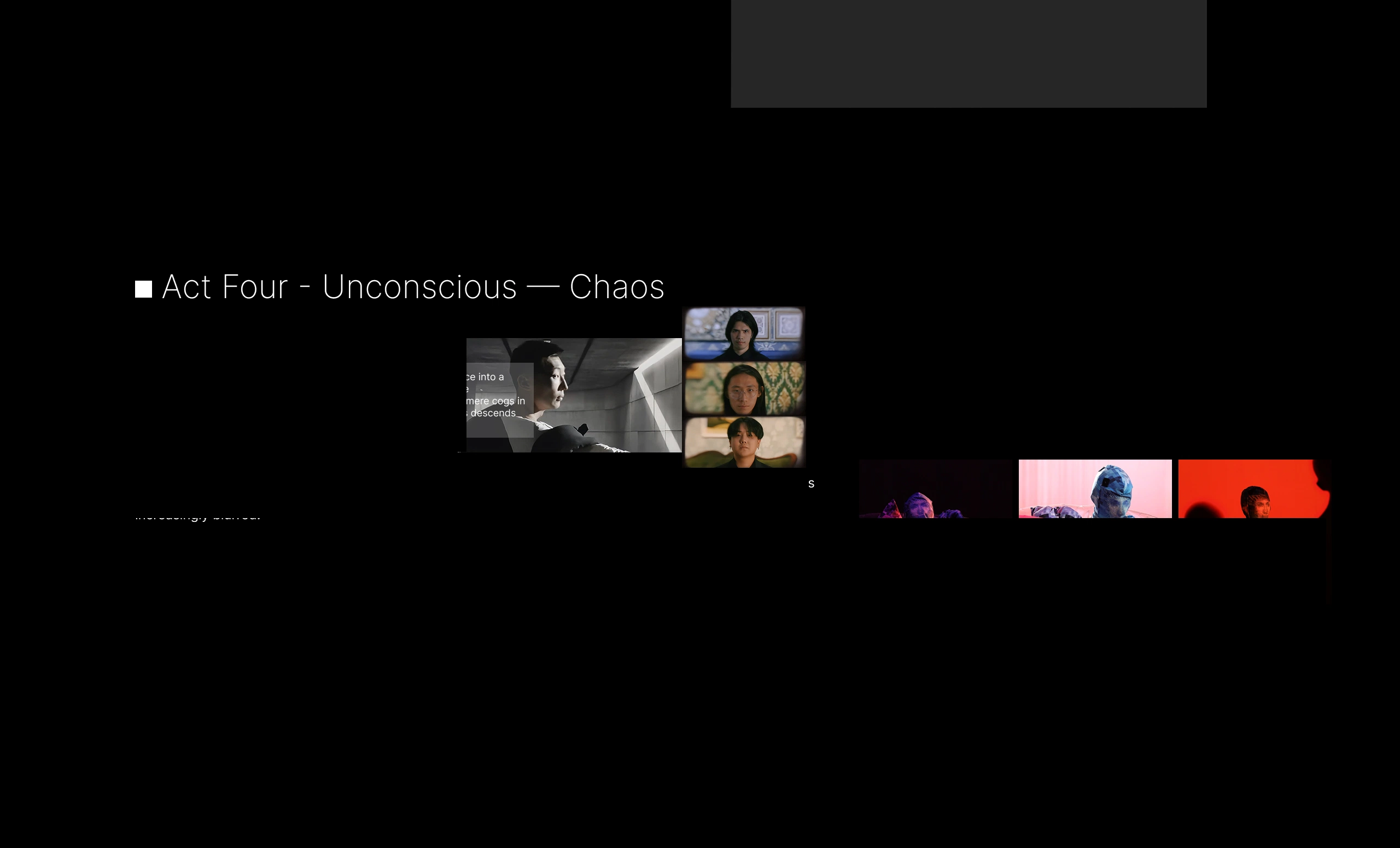
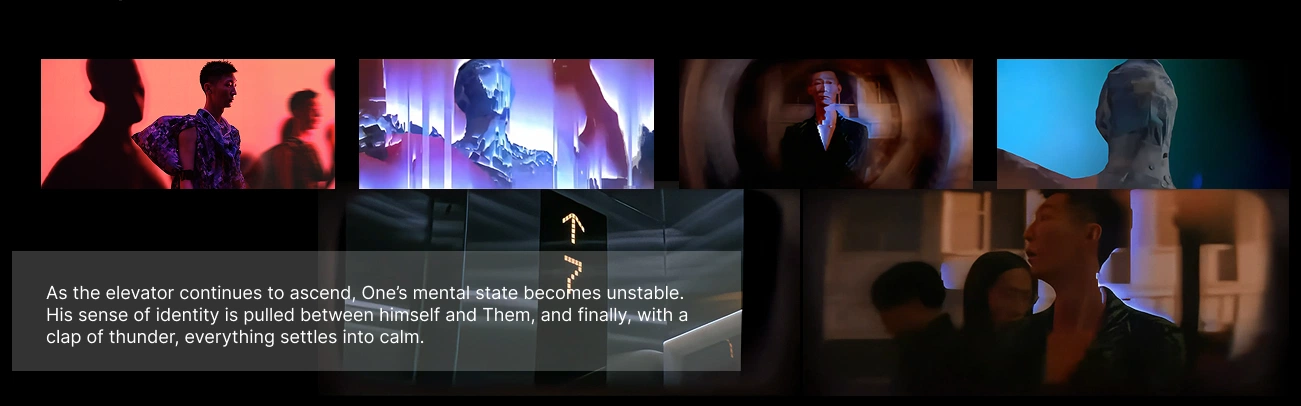
At the beginning of Act Four, One glances back, drawing the audience into a more complex layer of the unconscious. He sees three predecessors who attained status and wealth and became mere cogs in the societal machine. One’s consciousness descends into confusion.
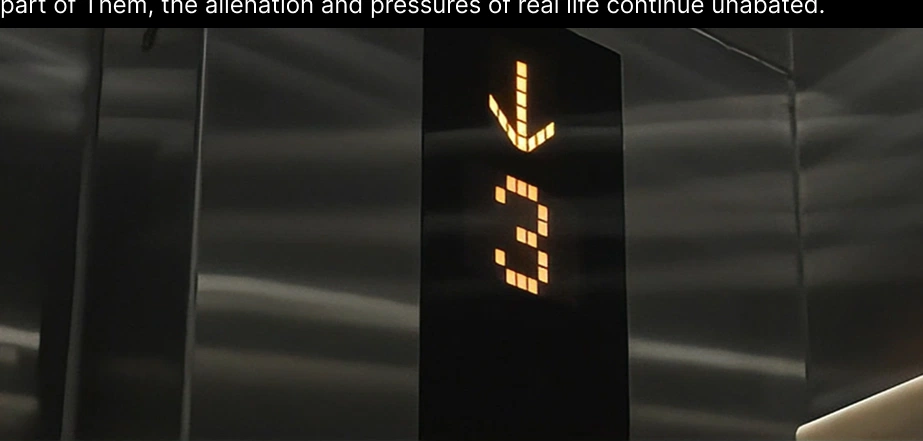
One experiences suffocation, pain and confusion. Faceless and limbless puppets writhe on screen as the boundaries between One and Them blur. As the elevator ascends, his sense of identity is pulled between himself and Them. A clap of thunder brings everything to a standstill.
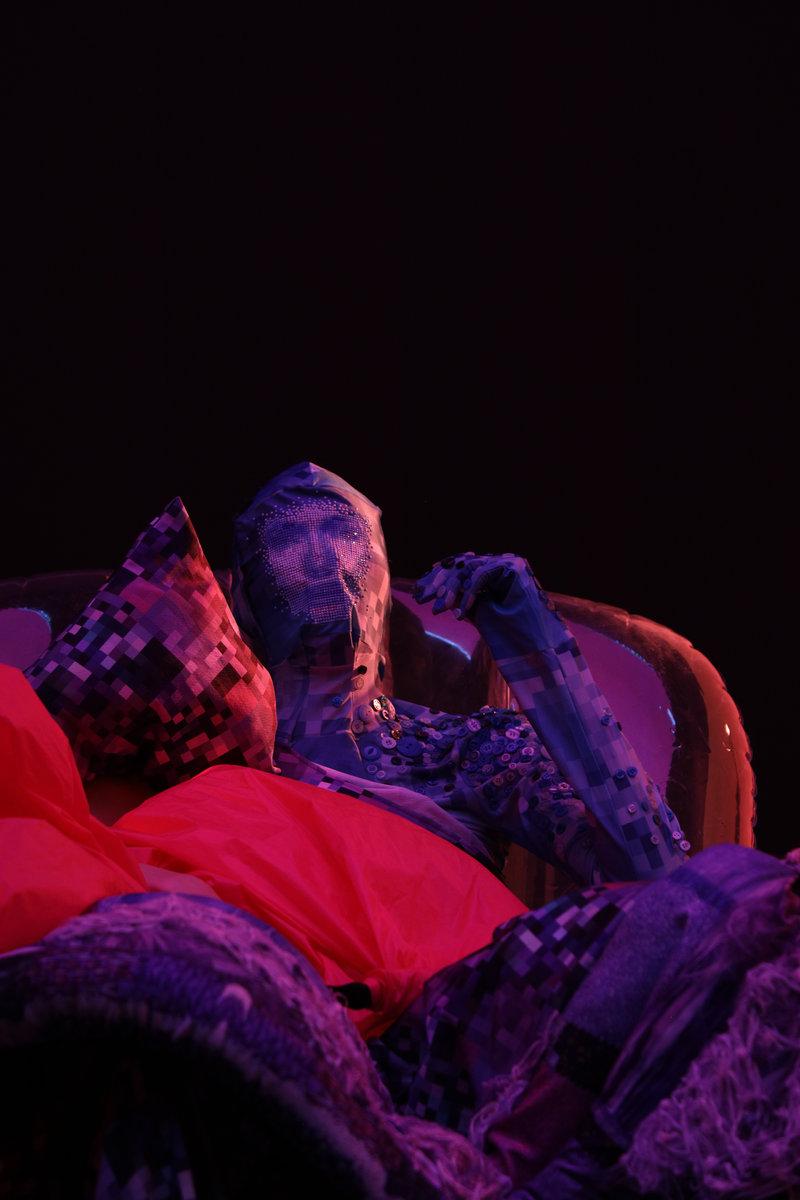
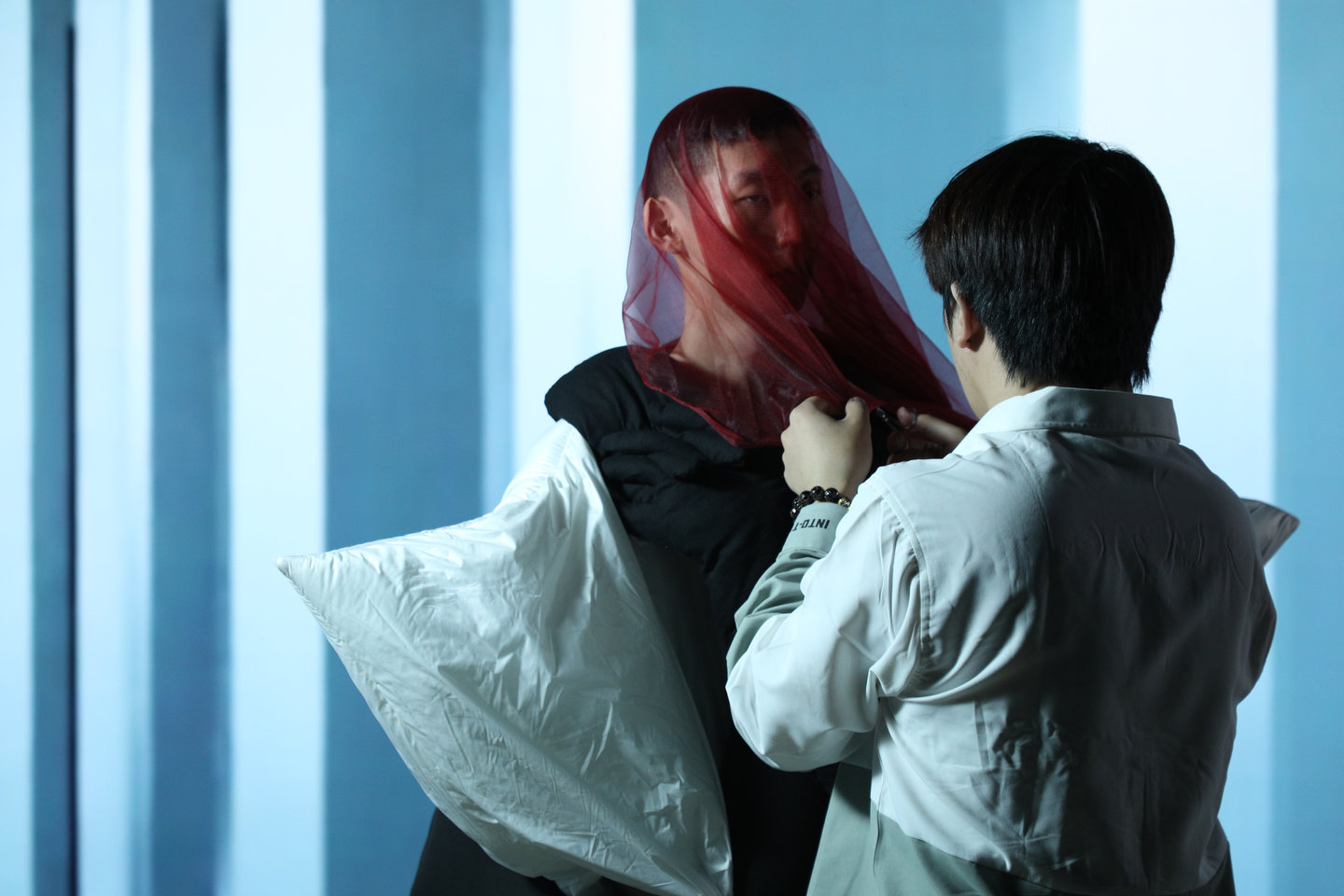
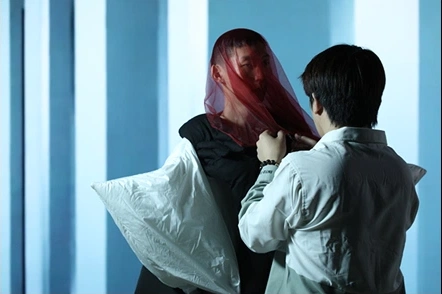
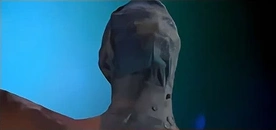
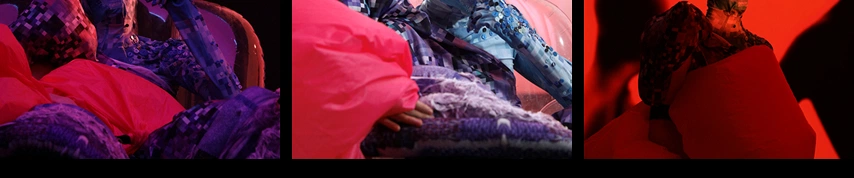
Character Costume Design The actors’ headpieces feature a fabricated face made with embroidery and diamond appliqué, suggesting that at this stage, One is completely regulated and assimilated, enveloped by societal pressures.
Act five · The Garden of Eden
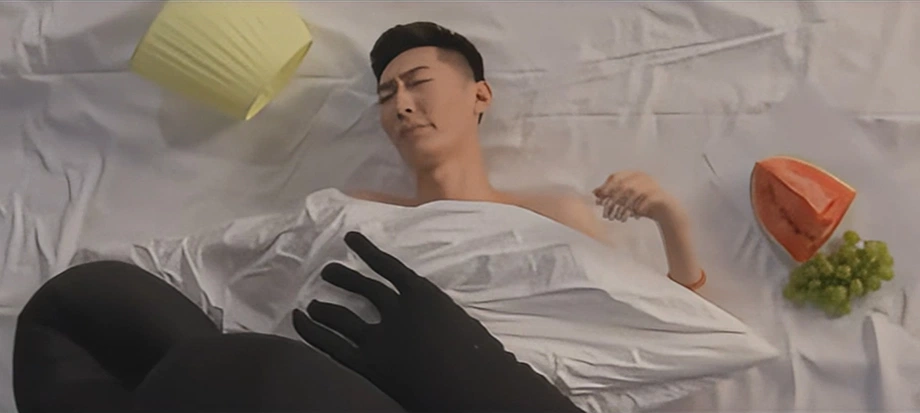
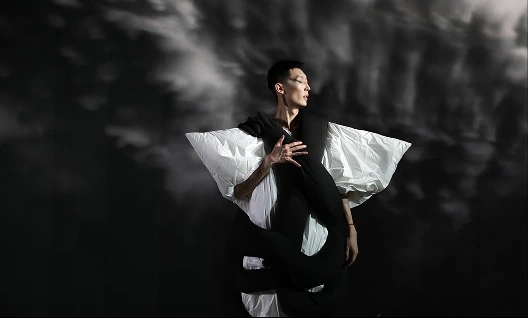
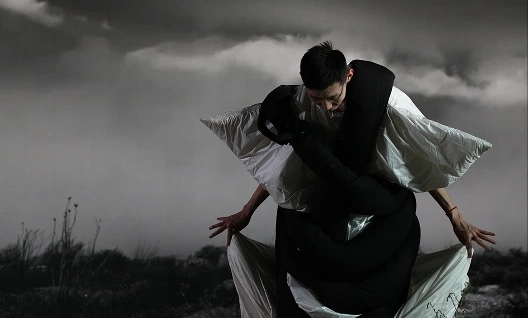
The elevator descends and One returns to the shallowest layer of consciousness. He wakes on white sheets surrounded by birdsong, blooming flowers and fresh fruit. Although he does not appear to have become part of Them, the alienation and pressures of real life continue unabated.
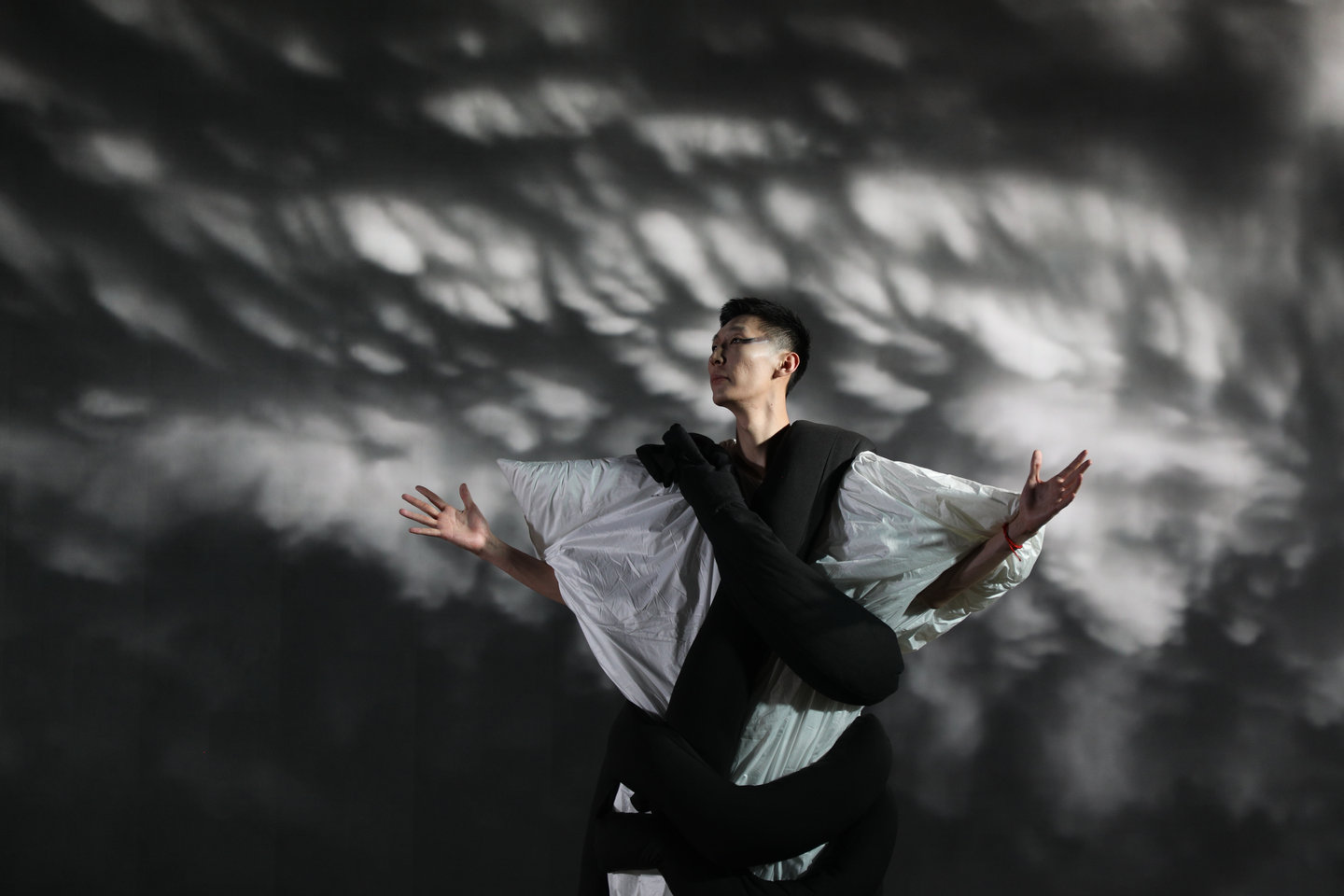
Character Costume Design In this scene, One awakens completely naked, creating a strong contrast with Act Four, where his body was entirely encased in a flesh-like suit. The black, serpentine arms that had previously restrained him have been removed.